
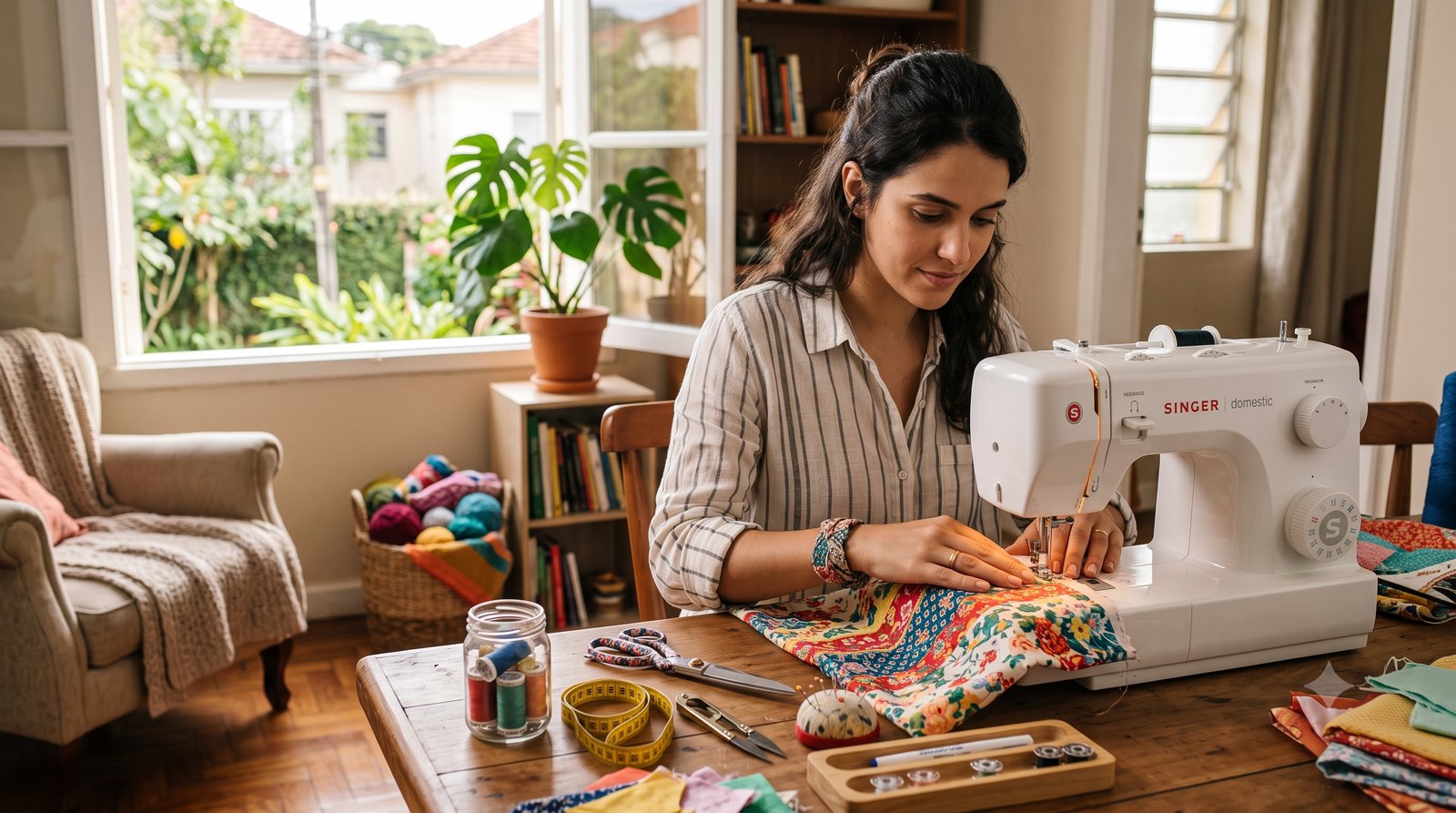
For a good few years the sewing machine was the thing in grandma's cupboard, covered by a cloth. Then came a generation that learned to sew from videos, discovered they could take in their own clothes, customise second-hand pieces and, in many cases, turn that into a side income selling online. The machine came out of the cupboard and became a requested gift. For the retailer, what matters is the effect of that on the calendar: it is a mid-ticket product, with high perceived value and demand concentrated in exactly the window that matters most in the year.
What domestic and portable sewing machines are
It is the machine sized for personal use, on a table at home, not for production. It works in short cycles, has a small motor, is light enough to be put away after use and offers a selection of decorative stitches that the industrial machine does not even attempt. It ranges from the classic domestic tabletop to the compact portable that fits in a drawer, taking in the finishing overlocker and the embroidery machine with a hoop and programmable designs. It is a product family China dominates at every price level, and it is what sustains the price at which the category reaches Brazilian shops.
The distinction is worth making, because it changes the customer: this is not the industrial sewing machine in a smaller version. The industrial one is a production tool, bought by a garment workshop that needs a thousand pieces. The domestic one is a consumer good, bought by an individual who wants to sew at home, and it sells at retail, with attractive packaging, a manual in Portuguese and gift appeal. Different product, different buyer, different shelf.
Models and variations
“Domestic sewing machine” is an entire shelf, and each model serves a different moment in a sewer's life:
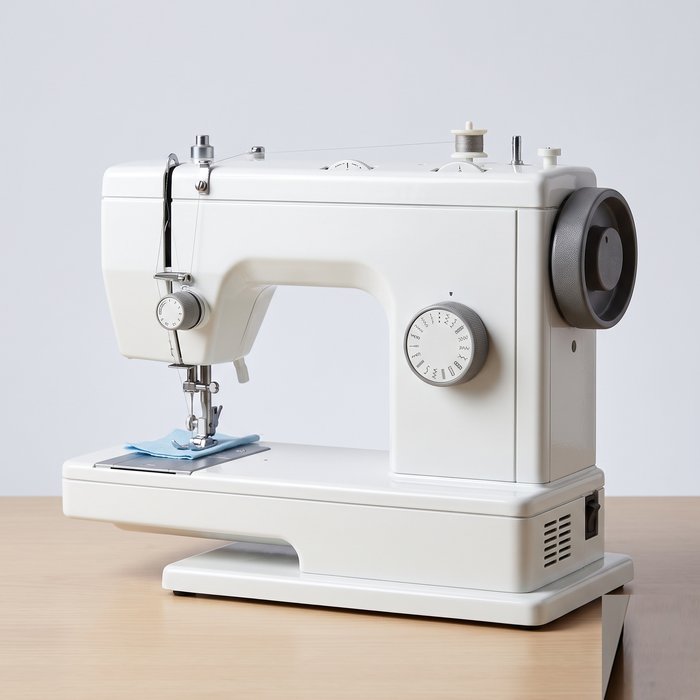
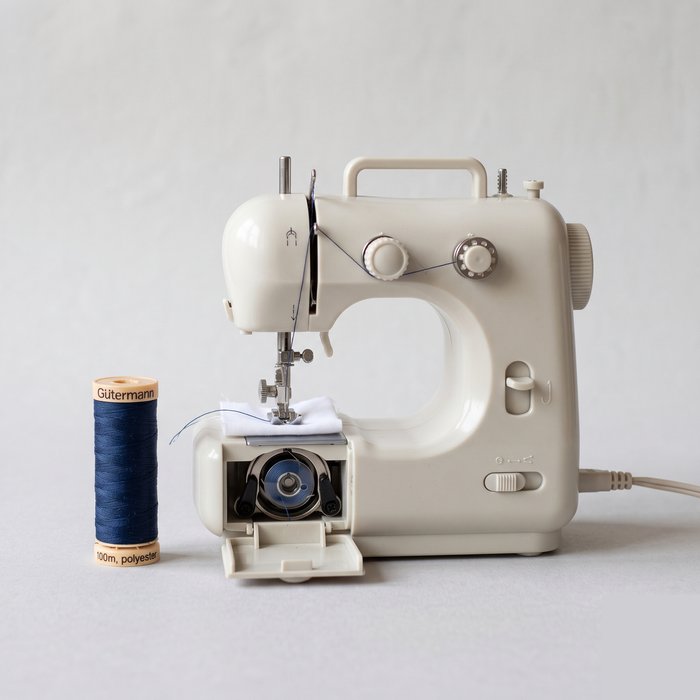
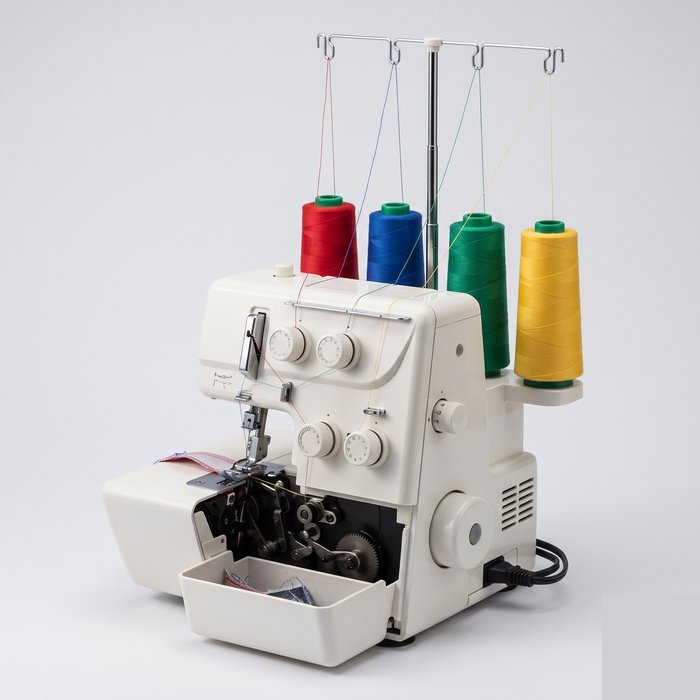
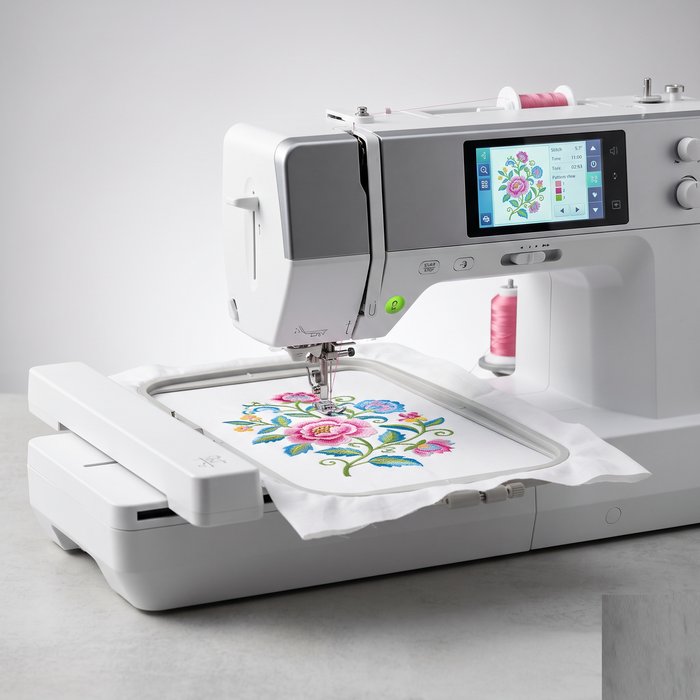
The portable is the gateway and the lower-value gift, the one that sorts out a hem and a button. The domestic tabletop is the flagship, the purchase of someone who has taken the hobby seriously. The overlocker is the upgrade anyone who sews always ends up wanting, because that finish is what separates a homemade piece from a professional one. And the embroidery machine is growing fastest, because personalising names, initials and logos has become a whole small business. Building the range around those four covers the customer from the first gift to the one already earning with the machine.
Why this is an opportunity for Brazil
It is a product that combines two rare things: the emotional appeal of a gift and a usefulness that generates income. Whoever buys it is not merely consuming, they are acquiring a capability, and that sustains the shelf price.
- A gift with high perceived value: it is the kind of item that performs as a Christmas and Mother's Day gift, at a shelf price the buyer accepts because it looks like an investment rather than an expense.
- The craft boom has not passed: creative sewing, customisation, second-hand clothing and clothes repair grew alongside concern over conscious consumption, and brought in a young audience the category did not have.
- The bridge to a side income: a good share of buyers want to sell afterwards, and that buyer comes back for the overlocker and the embroidery machine. One customer, several sales.
- Ready-made content: sewing is one of the strongest categories in short video. The product demonstrates itself, and the before and after of a customised piece stops the scroll.
- Timing: the typical lead time is 60 to 120 days. Buying now, between July and August, is what guarantees a full shelf for Christmas.
Before importing: it is a motorised household appliance, and it falls under INMETRO electrical safety rules, with attention to the cable, the Brazilian standard plug and the foot pedal. Confirm the voltage (127V or 220V, or a dual-voltage power supply) before closing the batch, because a machine on the wrong voltage is unsellable. Ask for extra care over the manual in Portuguese and the threading diagram: in a category where much of the audience are beginners, a poor manual turns into returns and bad reviews. It is worth inspecting before shipment, testing the stitch, the thread tension and the noise. See also which products require INMETRO.
Put your own brand on it
Importing from China is not just reselling a generic product. The factory puts your brand on the machine, the packaging and the manual, and adjusts the product to the audience you serve. On a shelf where the models look alike, it is the brand and the presentation that decide the sale:
- Your brand on the product and the box (private label / OEM): logo on the casing and retail packaging designed for gifting.
- Colour and finish to your choice, which weighs heavily in this category: the machine sits in plain sight in the customer's home and the colour is a buying argument.
- Accessory kit: the selection of presser feet, needles, bobbins and thread that comes with the machine, which is where perceived value is created at little cost.
- Manual in Portuguese and support material, ready for Brazilian retail and for an audience that is largely just starting out.
Customisation usually calls for a slightly larger minimum order, and that is where having a partner in China makes the difference: BCVN finds the right factory, negotiates the customisation, validates the sample and makes sure the product arrives exactly as you asked.
It is worth understanding how this works in practice before requesting the first sample: the guide on own brand in China: private label, OEM and ODM explains the difference between the three models and what each one changes in the minimum order and the lead time.
Where to buy domestic sewing machines in China
The domestic machine moves through different halls from the industrial one, because here it is a household appliance and a gift item:
- Canton Fair, Phase 1 (home appliances): from 15 to 19 October, where the manufacturers of domestic and portable machines are, treated as household appliances.
- Yiwu Trade Fair: from 21 to 24 October, for the entry-level line, sewing accessories and the gift kit, with a low minimum order.
- Canton Fair, Phase 3 (textiles and home goods): from 31 October to 4 November, useful for rounding out the category, from fabric to haberdashery.
The itinerary the season sets out: Canton Phase 1 (15 to 19 October), Yiwu (21 to 24 October) and Canton Phase 3 (31 October to 4 November) chain together across three weeks. The machine, the accessories and the textile surroundings can all be settled on the same trip, with production running in time for Christmas. See the full 2026 trade fair calendar.
It is also worth looking at the DTF garment printer, which serves the same customer when the hobby becomes a personalisation business.
Few products manage to be both an affectionate gift and an income tool at the same time, and the domestic sewing machine is one of them. That is what sustains the shelf price and brings the customer back for the overlocker afterwards. For the Brazilian retailer, what decides Christmas is not the December discount: it is having placed the order at source while there was still production time, with the right range and your brand on the box.
Frequently asked questions about importing domestic sewing machines
Does a sewing machine imported from China need INMETRO certification?
Yes. It is a motorised household appliance and falls under INMETRO's electrical safety rules, with attention to the cable, the Brazilian standard plug and the foot pedal. Also confirm the voltage before closing the batch, because a machine on the wrong voltage does not sell and cannot be converted afterwards. Whoever answers for compliance before the authorities and the end consumer is the Brazilian importer, never the Chinese manufacturer.
What is the difference between a domestic and an industrial sewing machine?
They are different products for different customers, not versions of the same appliance. The domestic one is a consumer good: small motor, use in short cycles, light, with many decorative stitches and gift appeal, sold at retail to individuals. The industrial one is a production tool, built to run all day in a garment workshop, with a single type of stitch executed at high speed, and it is bought by manufacturers. Anyone selling both treats each as a separate line.
Which model gives the best return for someone building a range?
The compact portable is the lowest-priced hook with the fastest turnover, very strong as a gift. The domestic tabletop is the flagship, with the best balance between shelf price and margin. The overlocker is the natural upgrade for anyone who already sews, and the embroidery machine is the one growing fastest, because personalising names and logos has become a source of income. A range with all four serves everyone from the first gift to the customer already earning with the machine.
Can I import just one sewing machine?
BCVN is an import consultancy for retailers and companies, not a retail shop, and does not sell single units. Import maths only works on volume: freight and paperwork are diluted across the batch, and every factory works to a minimum order quantity (MOQ). Anyone who wants a machine for the home should buy from a retailer in Brazil; anyone who is going to stock a shop, resell or create their own brand imports at source, and that is where the savings show up.
Where can I buy domestic sewing machines in China?
At the Canton Fair, Phase 1 (15 to 19 October), where the domestic and portable machines appear as household appliances, and at the Yiwu Trade Fair (21 to 24 October), for the entry-level line, the accessories and the gift kit with a low minimum order. Phase 3 (31 October to 4 November) rounds out the textile side. BCVN validates the manufacturer, tests stitch and finish, handles INMETRO and voltage, negotiates own branding and inspects the batch before shipment.