In number of categories and number of exhibitors, Phase 3 of the Canton Fair is the broadest of the three. Held from 1 to 5 May 2026, it brings together the sectors that drive most of the world’s consumer goods trade: fashion and apparel, toys, processed food, footwear, sporting goods and health and beauty products.
For Brazilian importers serving value retail, e-commerce or the food industry, Phase 3 is often the most relevant of the three. China dominates these segments globally, and the Canton Fair is where that production meets buyers from all over the world in a single place.
What Phase 3 of the Canton Fair is
Phase 3 covers the sectors with the biggest presence in everyday consumption:
| Category | Product examples | Buyer profile |
|---|---|---|
| Textiles and apparel | Womenswear, menswear, childrenswear, uniforms, swimwear | Retail, e-commerce, wholesalers, garment makers |
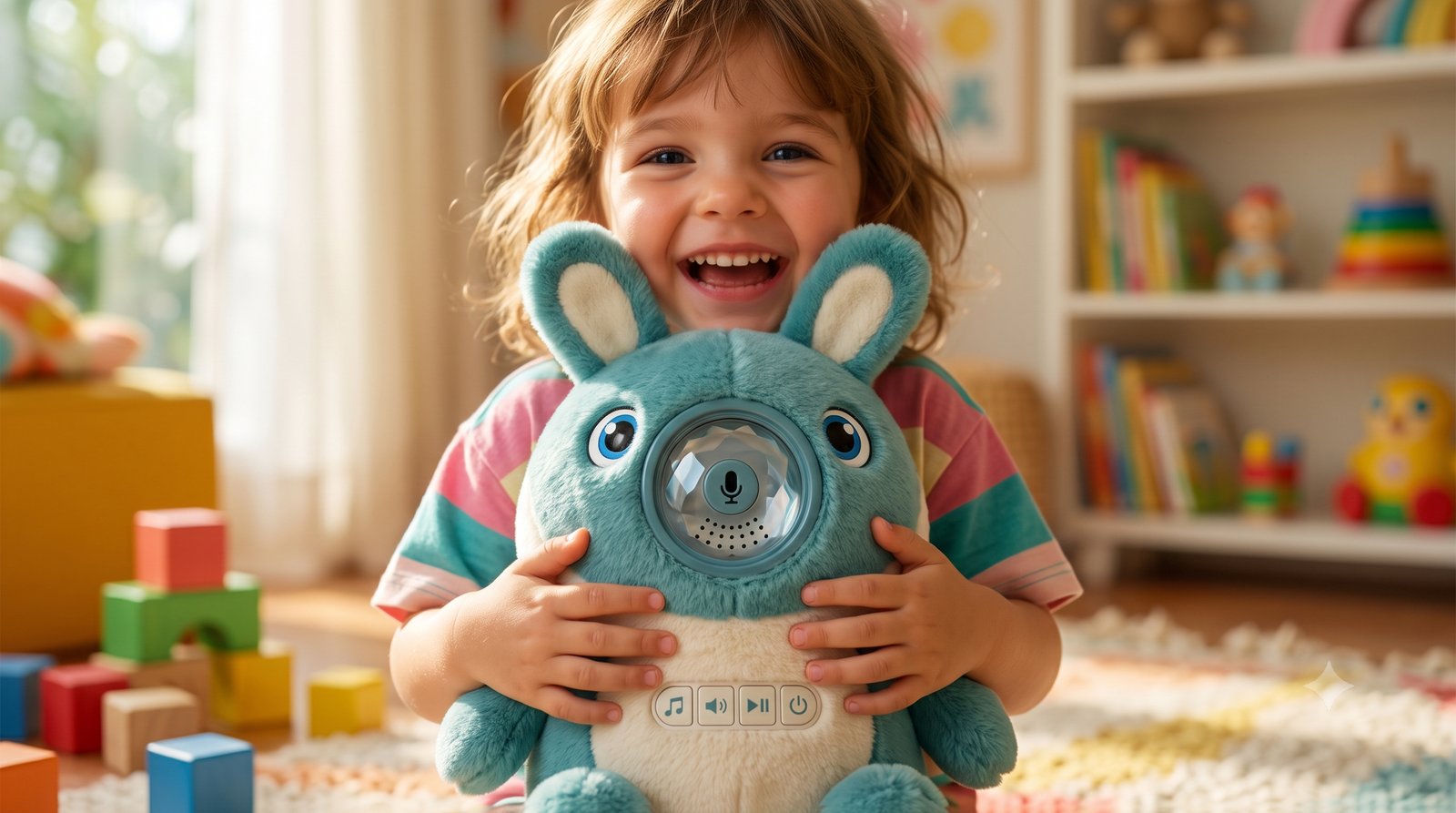
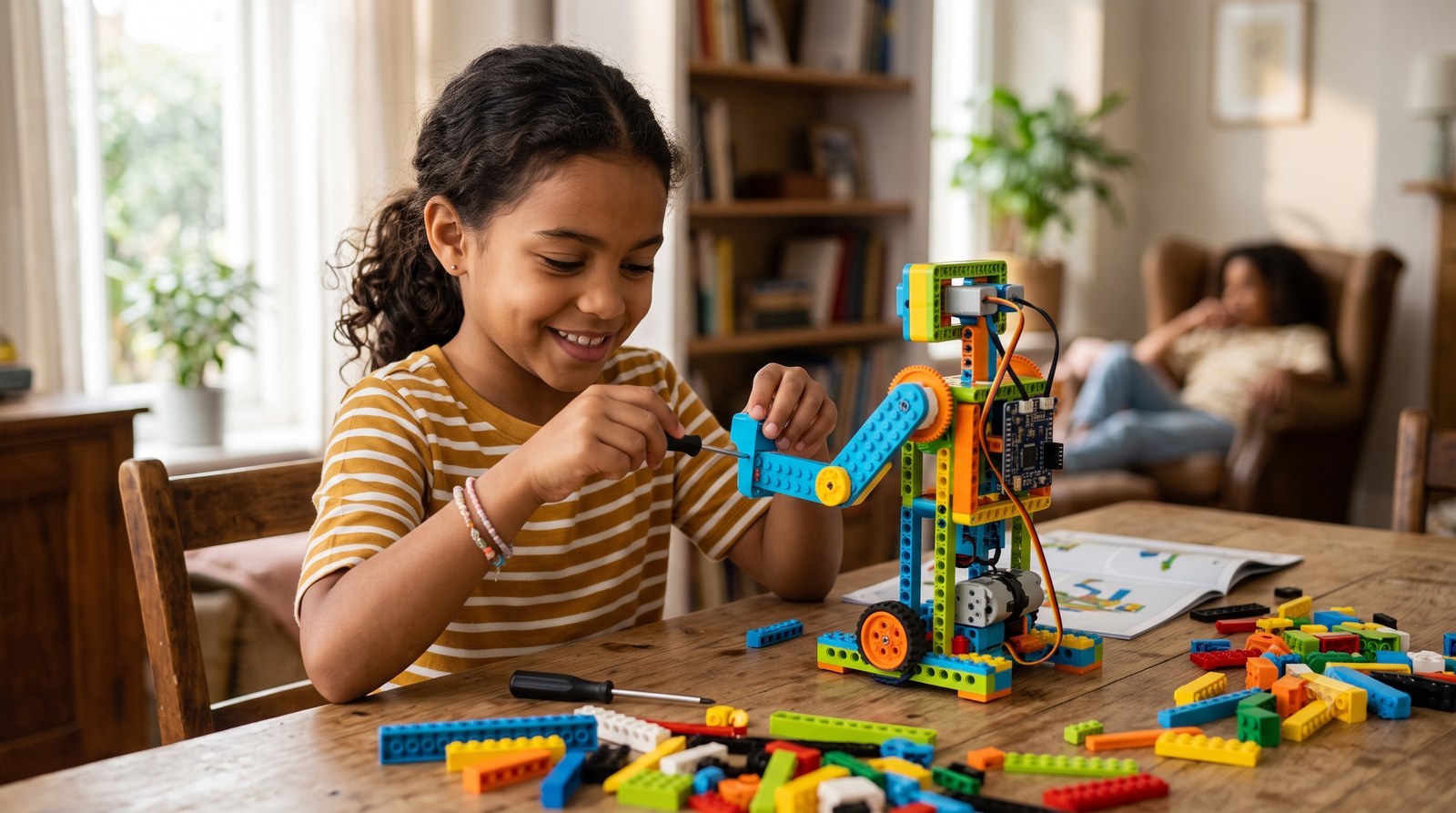
| Toys and games | Educational toys, board games, soft toys, children’s drones, RC models | Retail, distributors, e-commerce |
| Food and drink | Teas, seasonings, mushrooms, snacks, organic food, preserves | Food importers, distributors, specialist retail |
| Footwear | Trainers, sandals, boots, safety footwear, flats | Retail, distributors, fashion e-commerce |
| Sporting goods | Gym equipment, bicycles, outdoor gear, supplements | Sports retailers, gyms, distributors |
| Health and beauty | Cosmetics, personal care products, beauty devices, supplements | Distributors, pharmacies, beauty e-commerce |
Textiles and apparel
China is the world’s largest producer and exporter of textiles and clothing. Phase 3 of the Canton Fair concentrates apparel manufacturers from every segment, from basics to premium, with the capacity to export and experience with international buyers.
China’s main textile hubs
Before entering the fair, it helps to understand Chinese textile geography: each region has a defined speciality:
| Region | Speciality |
|---|---|
| Guangzhou / Dongguan | Womenswear, fast fashion, casual and evening wear |
| Foshan / Zhongshan | Lingerie, socks, underwear, nightwear |
| Shaoxing (Zhejiang) | Roll fabric, yarn, knitwear, the largest fabric market in the world |
| Yiwu (Zhejiang) | Fashion accessories, costume jewellery, general garment making in small batches |
| Jiangsu | Silk, high end fabric, premium womenswear |
| Shandong | Cotton, natural yarn, basic menswear |
What to look for for the Brazilian market
- Womenswear (dresses, tops, trousers): manufacturers in Guangzhou refresh their collections frequently, many launching new models every two weeks, in step with global fast fashion. Ideal for e-commerce sellers and multi-brand shops
- Swimwear and activewear: a fast moving segment in Brazil. Manufacturers in Guangdong and Fujian produce bikinis, swimsuits and training wear in fabrics of a quality comparable to premium Brazilian brands, at a much lower cost
- Uniforms and workwear: companies needing corporate uniforms, basic protective equipment (vests, overalls) or work clothing will find suppliers at the Canton Fair with the capacity for large volumes and logo customisation
- Childrenswear: baby and children’s clothing is one of the hottest segments in Brazilian e-commerce. Safety standards are not optional: no drawstrings in clothing for children under 7, under standard ABNT NBR 16642
- Basics (T-shirts, joggers, socks): very high volume products. Manufacturers accept OEM under your brand from 500 units per model and colour
Clothing and textiles carry high import rates in Brazil: II, IPI, PIS/COFINS and ICMS combined can reach 80 to 100% of the CIF value. Before closing any order, work out the total landed cost to make sure the operation is viable. That does not remove the opportunity, but it does demand planning.
Toys and games
China makes around 70% of the toys consumed in the world. Phase 3 of the Canton Fair is the largest toy sector event in mainland China, larger even than the Hong Kong Toys Fair in terms of manufacturers present.
The categories in greatest demand in Brazil
- Educational toys (STEM): robotics kits, construction sets, basic electronics and science experiments. A fast growing segment in Brazil, with parents increasingly willing to pay more for products with an educational purpose
- Board and card games: an expanding market in Brazil, driven by geek culture and gaming channels on YouTube. Chinese manufacturers produce for the biggest publishers in the world and offer OEM with custom designs
- Soft toys and dolls: very high volume in Brazilian retail. A wide range of licences available, but beware of using licensed characters without authorisation, which risks seizure at customs
- RC vehicles (radio controlled): RC cars, drones, boats and helicopters have rising demand in Brazil, especially in e-commerce. Drones must comply with ANAC regulations to be sold
- Outdoor toys: trampolines, inflatable pools, slides, swings, with high seasonal demand in Brazil. Manufacturers in Guangdong have the capacity for large volumes with packaging and manuals in Portuguese
Every toy intended for sale in Brazil requires compulsory INMETRO certification. The process involves physical, mechanical and chemical testing at an accredited laboratory and takes 60 to 120 days. There is no legal way to import toys without that certificate. Start the process before closing the order, not afterwards.
Practical tip: many Chinese manufacturers already hold certification for the European (CE) and American (ASTM) markets. Ask directly whether they hold INMETRO certification or have exported to Brazil with it. That reduces the certification work and confirms the supplier is serious.
Food and drink
China is one of the world’s largest producers and exporters of processed food, ingredients and plant based products. The food section of Phase 3 has fewer exhibitors than the textile or toy categories, but it concentrates large manufacturers with export experience.
Products with the greatest potential for Brazil
- Teas and infusions: China is the birthplace of tea. Producers in Fujian (oolong, white), Yunnan (pu-erh, black tea) and Zhejiang (Longjing green tea) export to Brazil at premium quality. A growing market in specialist shops and online
- Dried mushrooms and edible fungi: shiitake, shimeji, wood ear fungus, Chinese porcini. High demand from restaurants and from natural food consumers. A product with a good shelf life and competitive freight
- Seasonings and condiments: soy sauce, vinegars, sesame oil, chilli bean paste (doubanjiang), five-spice. Rising demand in Brazil as interest in Asian cooking grows
- Snacks and nibbles: seaweed crisps, seasoned peanuts, rice crackers, wafers. Fast turnover in supermarkets and convenience stores. Mind the compulsory labelling in Portuguese
- Organic and natural food: organic grains, superfoods (goji berries, Chinese açaí berries, turmeric), gluten free products. A premium segment with a higher margin
- Ingredients for the food industry: modified starches, food gums, natural colourings, flavourings, in high demand from Brazilian food manufacturers who already import inputs from China
Regulation of imported food: products of plant origin (teas, grains, mushrooms, seasonings) are inspected by MAPA. Processed food and additives go through ANVISA. In both cases, a label in Portuguese with nutritional information, list of ingredients, expiry date and the importer’s CNPJ is compulsory. Consult a specialist customs broker before starting the operation.
Footwear
China produces more than half of all the footwear made in the world. The main hubs are in Guangdong (Dongguan, Huizhou), Fujian (Putian, Jinjiang) and Zhejiang (Wenzhou). Many of the manufacturers exhibiting at the Canton Fair produce for global brands such as Nike, Adidas and Zara.
- Trainers and sports footwear: the largest footwear import segment in Brazil. Manufacturers in Putian (Fujian) specialise in high quality replicas. Be warned: importing replicas of registered brands is illegal and liable to seizure at customs
- Sandals, flats and flip-flops: very high volume, very competitive cost. Products in EVA, rubber and synthetic leather. A good option for value retail and wholesalers
- Safety footwear (PPE): steel toe boots with anti-slip and anti-static soles. High demand from builders, factories and PPE distributors in Brazil. Requires a CA certificate (Certificado de Aprovação) from the MTE to be sold
- Women’s boots and ankle boots: the womenswear market has strong demand. Manufacturers in Guangzhou and Dongguan launch frequent collections with up to date design
- Children’s footwear: a segment with steady growth. Mind the safety standards: materials in contact with children’s skin are subject to restrictions on chemical substances (phthalates, heavy metals)
Sporting goods and fitness
The Brazilian sports market has grown a great deal over the last decade, and China is the main source of gym, outdoor and fitness equipment. Phase 3 has an area dedicated to this segment with exhibitors of every size.
- Gym equipment (treadmills, exercise bikes, multi-gyms): manufacturers in Guangdong and Jiangsu supply the biggest gym chains in the world. Very competitive cost against European or American equipment
- Training accessories (dumbbells, kettlebells, resistance bands, mats): very high volume in Brazilian e-commerce, especially since the pandemic. Rubber and iron products with good value for money
- Bicycles (city, MTB, electric): a rapidly expanding market in Brazil. Manufacturers in Tianjin and Guangdong have the capacity for large volumes with brand customisation
- Outdoor gear (camping, trekking, climbing): tents, rucksacks, sleeping bags, head torches, a premium segment with a good margin for specialist shops
- Sportswear and compression garments: complements the textile category, with manufacturers specialising in technical fabrics (dry fit, compression, thermal) for performance sport
Health and beauty
China is one of the world’s largest exporters of cosmetics and personal care products. Manufacturers in Guangzhou are a global benchmark in skin and hair care.
- Cosmetics and skincare: creams, serums, face masks, sunscreen. OEM manufacturers in Guangzhou produce for European and American brands. To be sold in Brazil, cosmetics need registration or notification with ANVISA, a process that depends on the type of product
- Hair products (shampoo, conditioner, treatments): a segment with a large market in Brazil. ANVISA regulation applies in the same way as for cosmetics
- Beauty devices (portable laser, radiofrequency, ultrasound): a growing market in home and professional beauty. Medical and beauty devices need registration with ANVISA to be imported and sold
- Food supplements: proteins, vitamins, amino acids, thermogenics. High demand in Brazil. Supplements go through ANVISA and face specific restrictions on ingredients and on the claims made on the packaging
- Personal care products (electric toothbrushes, hair removal devices, massagers): a segment with high penetration in Brazilian e-commerce. Products with an electrical plug require INMETRO certification
How to prepare for Phase 3
Phase 3 is the broadest of the three and calls for organisation if you are not to get lost in the diversity of products on offer.
01 Map the certifications before leaving Brazil
Toys require INMETRO certification. Food requires registration with MAPA or ANVISA. Childrenswear is subject to ABNT safety standards. Safety footwear requires a CA certificate. Cosmetics go through ANVISA. Knowing the requirements for your product before you reach the fair determines which suppliers are genuinely viable, and saves a lot of time in negotiation.
02 Set aside a budget for samples
In Phase 3, most products allow you to collect physical samples at the fair itself, unlike furniture or machinery. Bring extra luggage and set aside a budget (usually USD 500 to 1,000) to pay for samples that suppliers charge for. Samples are the only reliable way to assess real quality before closing an order.
03 Have your import paperwork in order
For food, make sure your company holds the importer registration with MAPA or the processed food importer registration. For toys, check that the INMETRO certification process is already under way or planned. Reaching the fair without that preparation means negotiating without being able to close an order.
04 Work out the minimum viable volume before negotiating
In Phase 3 the MOQ varies a great deal: from 300 units for apparel to a full container for footwear and sports equipment. Before entering a negotiation, know how much you can buy and what the total landed cost is (product plus freight plus insurance plus taxes). That avoids negotiations that never come to anything because the volumes do not match.
How BCVN supports you in Phase 3
Phase 3 is the most diverse of the three, and specialist guidance makes a difference above all in categories with complex regulation:
- Checking existing certifications: our team asks, in Mandarin, whether the supplier already holds international certifications and has previous experience of exporting to Brazil, filtering out those who cannot meet the regulatory requirements before you invest time in negotiation
- MOQ and viability analysis: for each category we help calculate the total landed cost and identify the minimum volume at which the operation makes economic sense
- Additional visits to Yiwu and Shaoxing: for textiles and fashion accessories we organise itinerary extensions to Yiwu (the largest wholesale market in the world) and to the Shaoxing fabric market, regions that complement what the Canton Fair offers
- Sample collection and shipping: we coordinate the collection of samples during the fair and a consolidated shipment to Brazil, reducing freight cost and paperwork
Frequently asked questions about Canton Fair Phase 3
Which certifications are required to import toys from China to Brazil?
Toys imported from China require compulsory INMETRO certification to be sold in Brazil. The process involves physical, chemical and mechanical safety testing at an accredited laboratory. Toys without certification are held at customs. In addition, products with small parts must carry an age warning (over 3 years). Start the certification process before closing the order, since it takes 60 to 120 days.
Can I import food from China to sell in Brazil?
Yes, but importing food into Brazil is regulated by MAPA (the Ministry of Agriculture) and by ANVISA, depending on the type of product. Food of plant origin goes through MAPA; processed food and additives go through ANVISA. Every imported food product needs a label in Portuguese with nutritional information, ingredients, expiry date and the importer’s registration. It is advisable to consult a specialist customs broker before starting the operation.
Is it worth importing apparel and fashion from China to Brazil?
It depends on the segment. For fast fashion, popular womenswear and corporate uniforms, China offers unbeatable costs at acceptable quality, especially manufacturers in Guangzhou (the 13 de Julho and Shahe markets) and Zhejiang. For premium fashion or fashion with a strong brand identity, China can supply OEM production at high quality. The challenge is the import rates on textiles and apparel in Brazil, which, added to II, IPI, PIS/COFINS and ICMS, call for careful tax planning.
What are the main textile production hubs in China?
The main hubs are: Guangzhou and Dongguan (womenswear, fast fashion), Foshan and Zhongshan (lingerie and socks), in Zhejiang, Shaoxing (fabric and yarn) and Yiwu (fashion accessories and general garment making), Jiangsu (silk and high end fabric) and Shandong (cotton and yarn). Each hub has a defined speciality, and knowing that geography speeds up the sourcing process considerably.
How does the MOQ (minimum order) work for textiles and apparel at the Canton Fair?
The MOQ varies a great deal with the manufacturer and the product. For garments, the minimum is usually 300 to 500 units per model and colour. For fabric, generally 500 metres per colour. For customised products (OEM, your own print, your brand label), the MOQ rises to 1,000 to 3,000 units per style. At the fair it is possible to negotiate smaller batches for a first order, at a slightly higher price. What matters is not closing an order without an approved sample first.
Is Canton Fair Phase 3 the best option for sourcing Chinese food?
The Canton Fair has a substantial food area, but it is not the only option. For processed food and snacks, SIAL China (Shanghai) and FHC China are specialist fairs with a wider offering. Canton Fair Phase 3 suits those who already visit the fair for other categories and want to use the opportunity to map food suppliers, especially teas, seasonings, dried mushrooms, sauces and products of plant origin.
BCVN — Brasil China Viagens e Negócios has attended every edition of the Canton Fair for 18 years. Our bilingual team organises guided business trips, sample collection and quality inspections for Brazilian importers in textiles, toys, food and retail generally.
Trade fair products in the China Showcase
Real finds from the fairs this guide covers, with the cost and resale logic of each one. See more in the China Showcase.