
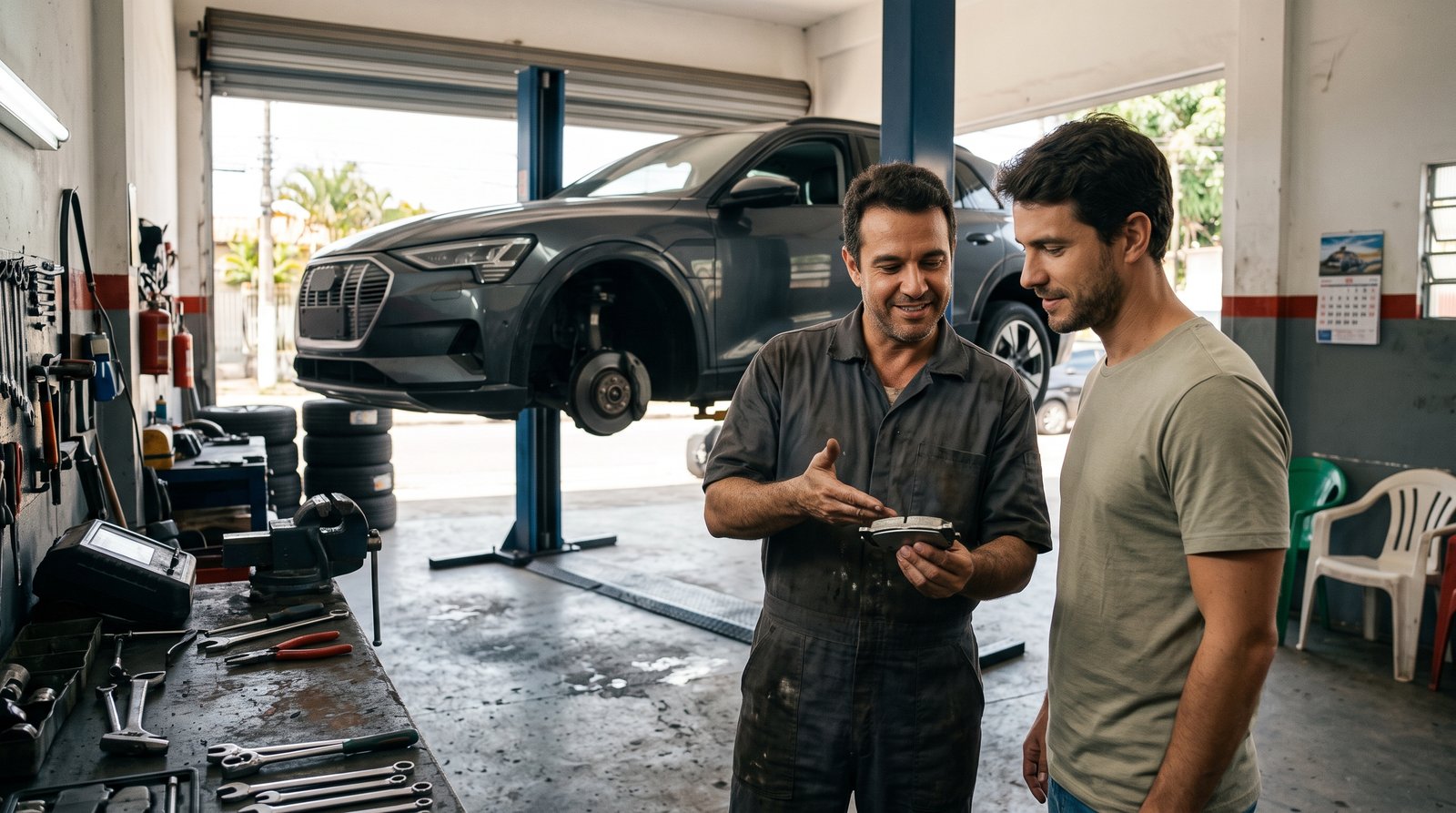
Anyone who works in a workshop knows the scene. The customer drops off the BYD, the diagnosis is done in half an hour, and the next conversation is about how long the part will take to arrive. The Chinese car is no longer a curiosity: the ten Abeifa members together registered 111,120 vehicles in the first half of 2026, up 85.1%, and BYD accounted for 99,064, up 107.6% on the same period of 2025, according to Band. A survey by Autoglass reported by Autopapo points to window glass as the part that takes longest in the maintenance of these cars.
For the workshop, a part that does not arrive means a customer standing still. For whoever imports, it is a different calculation: every day of waiting is a day in which someone could have sold the right part, and the one who sells is the one who already has it on the shelf. The gap exists, and the question is not whether someone will fill it, but who turns up with the part that fits, certified and at a cost that leaves margin.
What replacement auto parts for Chinese cars are
These are the wear and replacement parts that do not come from the carmaker: brake pads and linings, shock absorbers, tie rod ends and steering rods, bulbs, batteries, fuel pumps. This is the catalogue of the independent workshop and the distributor, and what sets it apart from the dealership part is lead time and price. China is where the supply chain for these cars sits, and the Brazil-China import data for the first half of 2026 show the weight of the other side: passenger cars were 14.6% of everything Brazil bought from the country.
What cannot be settled from a distance is compatibility. Two parts that look identical may not fit the same model and year, and what decides it is not the supplier's catalogue but the sample tested on the car and the chassis number. Whoever ignores this imports a container of good-looking parts that fit none of the workshop's cars.
Models and variations
Replacement is not one product, it is an aisle of families, and each has its own factory, testing and margin. Four of them show the size of the universe.
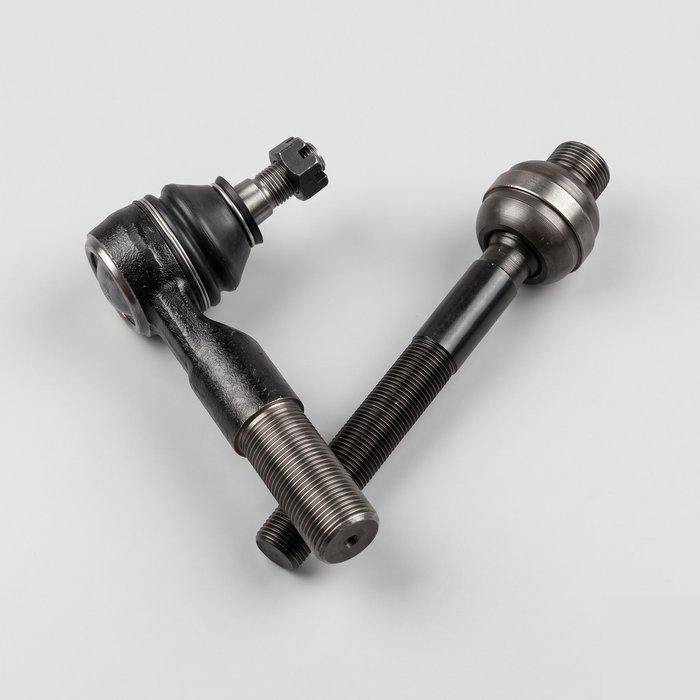
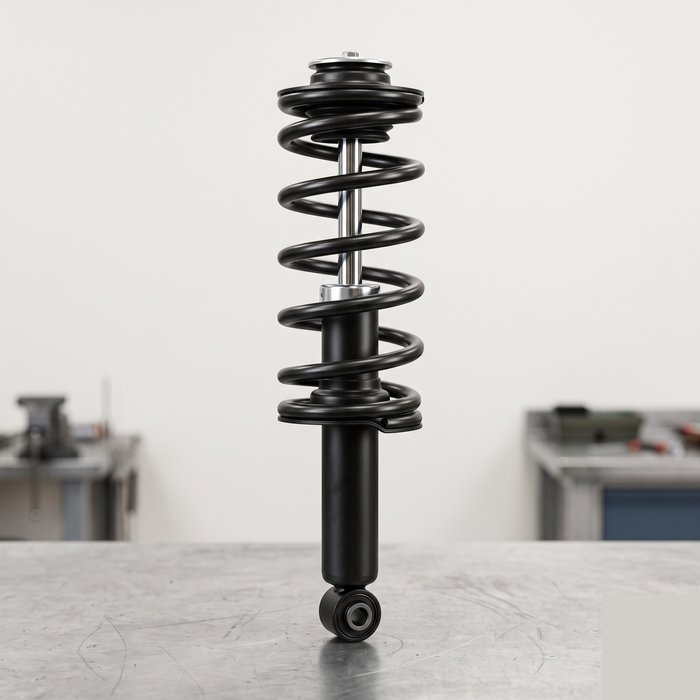
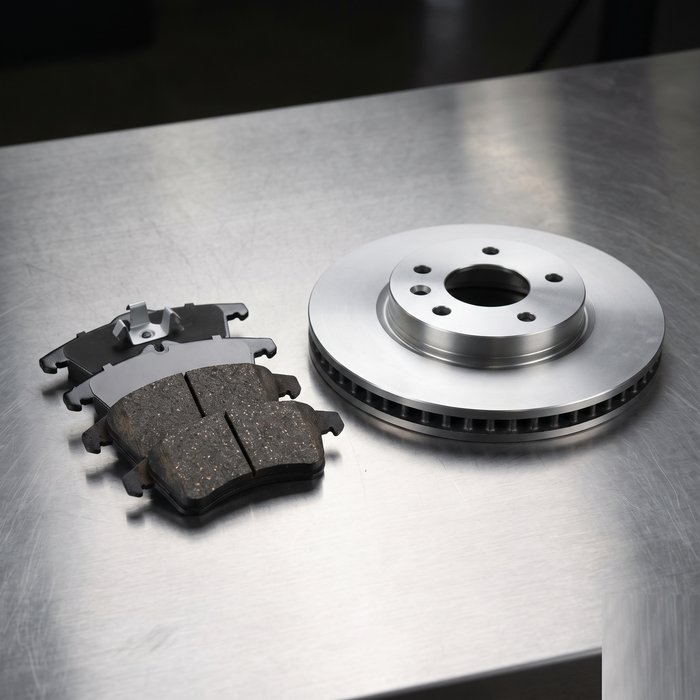
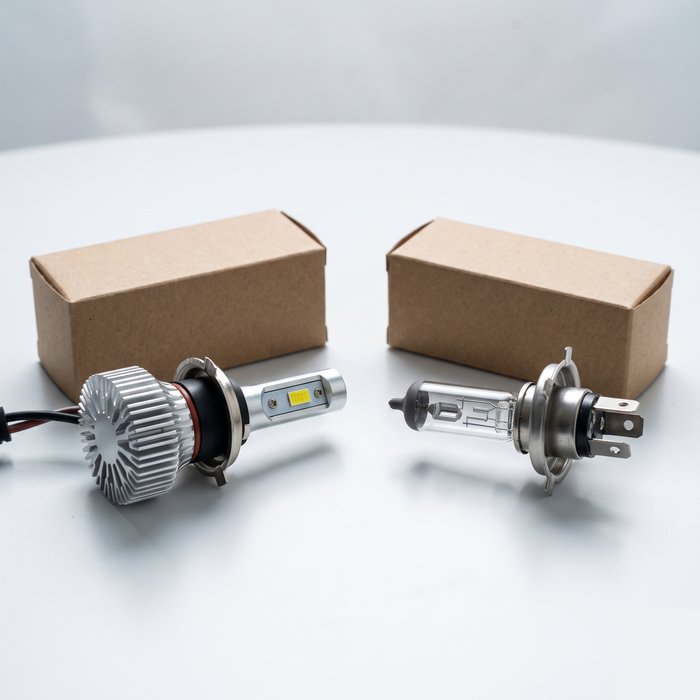
That makes four families, and each comes out of a different factory. This is where the distributor gets lost: the supplier that is good at brakes is rarely the one that is good at suspension. Choosing the right factory for each family, among hundreds, and validating the sample on the car is where BCVN comes in.
Why this is an opportunity for Brazil
The opportunity is not in selling cheaper. It is in having the part on the shelf the day the customer walks in, and the Chinese car is growing too fast for replacement to wait.
- Timing: the Chinese fleet is growing fast, as the figures at the top of the page show, and the scale of the electric-car industry behind it appears in the guide on solar panels and batteries from China and who sets the price. With a lead time of 60 to 120 days, whoever builds the catalogue now arrives in time for the replacement demand at the start of next year, and the guide to planning your 2027 import helps match purchasing, fairs and production.
- Profit logic: low cost at source and good resale, with one extra advantage: the workshop pays for the part that is on the shelf today, and lead time is worth as much as price. In the families that require certification, the certificate is a cost per model, and what dilutes it is volume. The strategy is a few families, with turnover, not the whole catalogue in small quantities.
- Broad audience: independent workshops, auto parts distributors, parts shops and fleets with Chinese cars. The workshop is the one that buys every month, and the distributor that supplies it builds loyalty.
- Ready-made content: "the part for your BYD, already on the shelf" is a short video that explains itself, and comparing the new part with the one taken out of the car makes content without production.
To see where each family is made, the map of China's industrial clusters shows which hubs manufacture what.
Before importing, the whole rule: a good share of what the workshop replaces most often is under compulsory certification in Brazil, and that decides the order. What the law says, checked on 3 October 2026:
- Ten families of replacement components are certified. Portaria Inmetro 145/2022, in force since 2 May 2022, requires certification of: shock absorbers, electric fuel pumps for Otto-cycle engines, horns, aluminium pistons, pins and retaining rings, piston rings, bearing shells, bulbs, lead-acid batteries, brake friction material (pads and linings) and steering tie rod ends and rods. The mechanism is certification, with registration at Inmetro and a conformity identification seal.
- Tyres, wheels and glass have their own rules. According to the sources consulted, new tyres follow Portaria Inmetro 379/2021 and safety glass follows Portaria 34/2021, and the Federal Revenue Service lists tyres, wheels, bulbs and batteries among the products under compulsory certification.
- The certificate enters at import. The Federal Revenue Service says that the number of a certificate from an accredited certification body is a condition for importing a product subject to certification. Without it, the import does not proceed.
- What is left out. The portaria excludes assembly-line parts, parts for vehicles under recall, parts for vehicles discontinued before 2000, parts for high-performance vehicles and parts for motorcycles. Filters and spark plugs are not among the portaria's families, but coverage depends on the exact NCM, and it is worth confirming with the customs broker.
- The supply of parts is an obligation. Article 32 of the Consumer Defence Code requires manufacturer and importer to guarantee the supply of replacement parts, according to the sources consulted. Whoever brings in the part answers for it.
- A carmaker's brand is a risk. A part carrying the logo of the car's maker is a trademark risk, and BCVN's guidance is to stay with the equivalent part, under your own or a neutral brand.
The text of the portaria was read on a legislation aggregator, not in the Diário Oficial: check the article and annex for your part in the DOU before closing the order. NCM, import duty rate, ICMS and any licensing should be confirmed with the customs broker, family by family. And inspect the batch before shipment: the hardness of friction material and the travel of a shock absorber cannot be seen in a photo, and they are what the workshop finds out on the road. The guide on how to import auto parts from China covers the three yardsticks, Inmetro, Contran and Anatel, for whatever is not wear-part replacement.
Put your own brand on it
Importing replacement parts is not just reselling a nameless part. The factory can put your distributor's brand on the part and the box, and that is how you build your own brand on the workshop shelf, with more margin and less price fighting against whoever sells the same generic item.
- Your brand on the part and the box (private label / OEM): exclusive logo, code and packaging.
- Range, finish and packaging of your choice, within what the certified model allows.
- Label, manual and application sheet in Portuguese, with the list of cars the part fits.
On certified items, the brand goes into the certification process from the start: define the name, logo and packaging before applying for certification, and ask the body what happens if something changes later. BCVN finds the right factory, negotiates the customisation and validates the sample before the order.
It is worth understanding how this works in practice before requesting the first sample: the guide on own brand in China: private label, OEM and ODM explains the difference between the three models and what each one changes in the minimum order and the lead time.
Where to buy replacement auto parts in China
Auto parts are bought in the aisle, with the sample in hand, and the sector's fairs bring together suppliers of every family at once:
- Canton Fair, Phase 1 (Vehicles and Parts): the vehicles and replacement parts aisle, in the same complex as the electronics and machinery.
- Automechanika Shanghai: the international auto parts fair, expected for 2 to 5 December 2026, at the NECC in Shanghai, according to secondary sources. Confirm the dates with the organiser.
- Guide to auto parts from China: compatibility, customs mistakes and what cannot be settled from a distance.
Autumn 2026 Canton Fair (140th): the Phase 1 takes place from 15 to 19 October 2026, at the Pazhou complex in Guangzhou. For anyone already planning the April 2027 edition, the Canton Fair 2027 guide gives the expected dates, and the China trade fair calendar 2027 shows the whole year.
Read the complete guide to the Canton Fair 2026
The Chinese car has arrived, and the part for it becomes business for whoever brings it in. Whoever understands the certificate rules before going to the factory negotiates the batch better, chooses the families that turn over and does not end up with a container of parts that customs will not let through. The gap is real, and it belongs to whoever arrives first with the right part.
Frequently asked questions about importing replacement auto parts
Do I need Inmetro certification to import brake pads or shock absorbers from China?
Yes. Brake friction material (pads and linings) and shock absorbers are among the ten families of replacement automotive components that Portaria Inmetro 145/2022 requires to be certified, and the Federal Revenue Service requires the number of a certificate from an accredited body as a condition for importing. Check the article and annex covering your part in the Diário Oficial before closing the order.
Do filters and spark plugs need the same certificate?
They are not among the families in Portaria Inmetro 145/2022. Whether they are covered, however, depends on the part's exact NCM, and it is worth checking the classification with the customs broker before ordering, along with the import duty and any ex-tariff exemption.
How do I know whether the part fits the customer's BYD or GWM?
By model, year and chassis number, validated with a sample before the batch. A catalogue and a photo are not enough, and a part carrying the carmaker's logo is a trademark risk. BCVN requests the sample, checks the fit and inspects the batch before shipment.
Where can I find replacement auto parts suppliers in China?
At the Canton Fair, Phase 1 (vehicles and parts), and at Automechanika Shanghai, the international auto parts fair. BCVN vets the supplier, guides the certification process and inspects the cargo.