
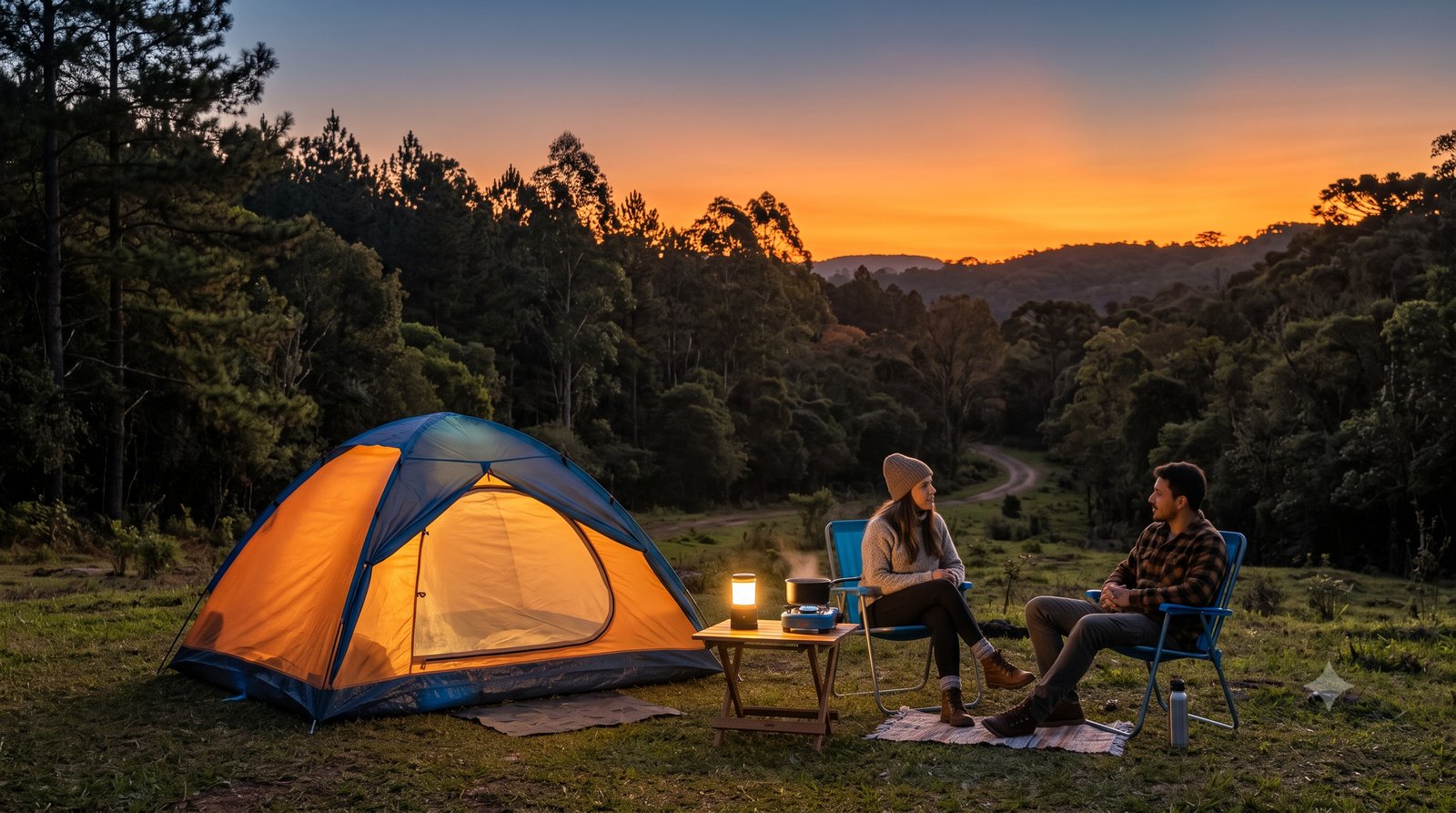
Nobody camps with just a tent. Anyone pitching one in the late afternoon discovers within minutes that they need light when it gets dark, somewhere to sit that is not the ground, a way to heat food and something between their body and the soil in order to sleep. That is the commercial mechanism of the category, and it does not depend on the retailer being good at selling: the product explains on its own what is missing. For the retailer, that means something very concrete: the average ticket of the category is not the price of the tent, it is the price of the set.
What a camping kit is
It is the set that makes a night outdoors possible, and it has a well defined core: a tent, a sleeping bag or inflatable mattress, a folding chair, rechargeable lighting and a stove with compact cookware. Around that core orbits a second layer that is almost always sold alongside it or shortly after: folding table, tarpaulin, rucksack, hammock, organiser and kitchen accessories.
It is worth marking the difference from what is already sold for the beach, because these are distinct moments of consumption: beach umbrellas and beach tents solve shade during the day, and go home at night. Camping is autonomy for a night or more, and it is that word, autonomy, that multiplies the items in the basket. Whoever resells both sets serves the same customer on two different occasions of the same summer.
Models and variations
Camping is not a product, it is an assortment. At the Chinese trade fairs that shows up as entire halls, and the beauty of building a line here is that the items sell each other:
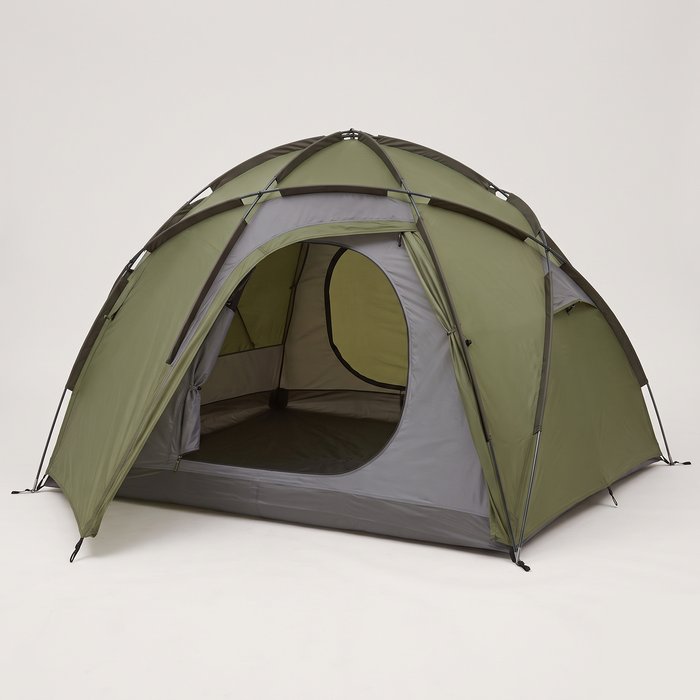
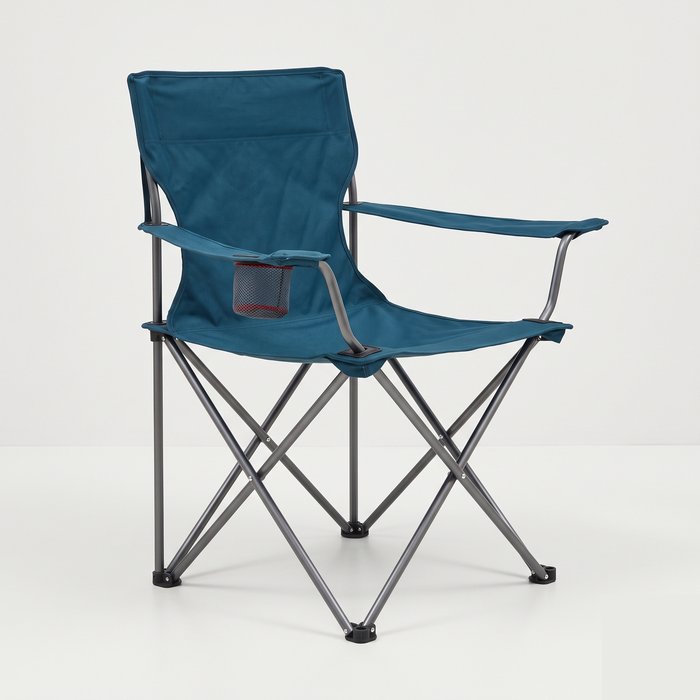
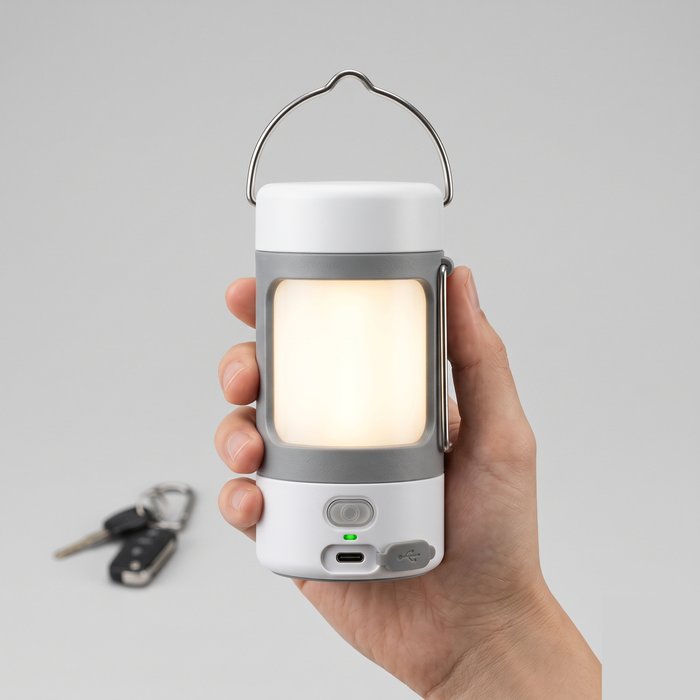
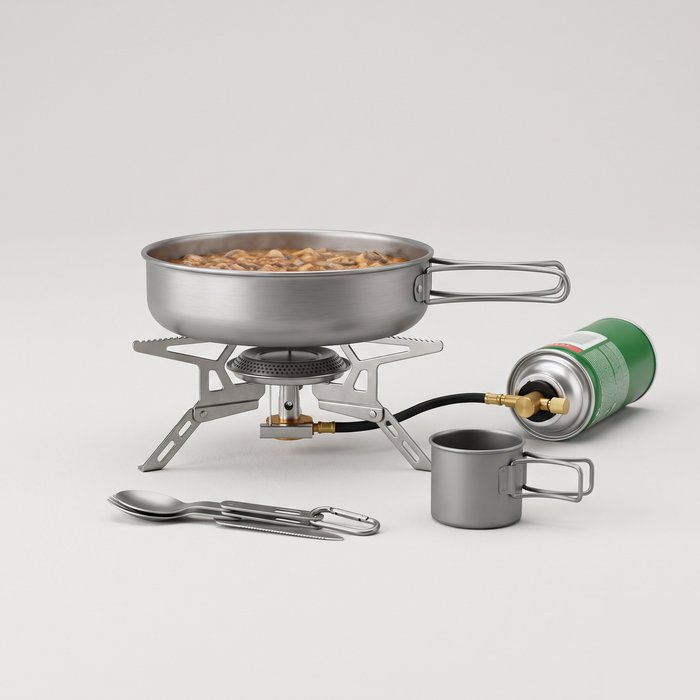
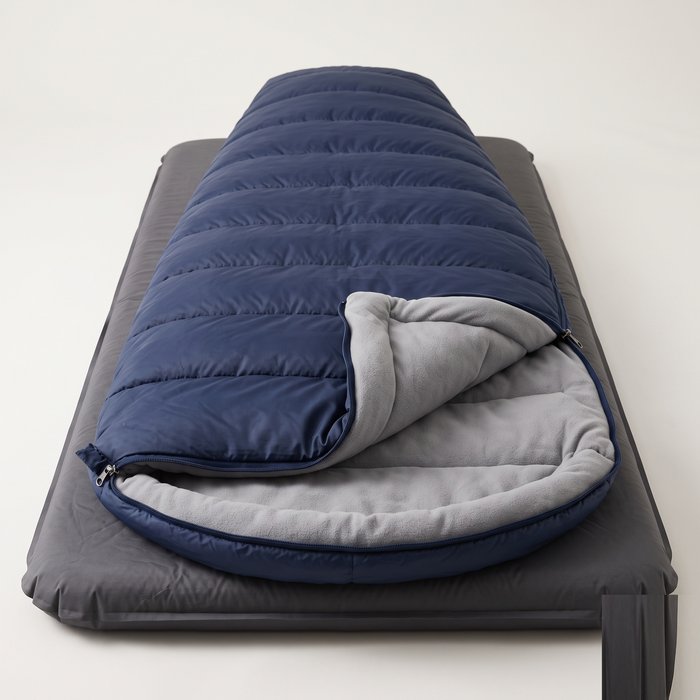
The tent is the anchor and the most researched decision, because it is where the customer compares waterproofing, pitching and capacity. The chair is the most predictable impulse item in the category, and rarely does just one leave the shop. Lighting has the best margin in the set and the smallest volume in the container. The stove is what turns an outing into an experience and pulls along a pan, a mug and a cutlery kit. And the sleep set is what determines whether that customer becomes a repeat buyer or gives up the hobby after one bad night.
Why this is an opportunity for Brazil
Outdoor life has stopped being an adventurer's niche and become affordable weekend leisure, in a country with a long coastline, hills close to the state capitals and plenty of bank holidays. It is a photogenic category that sells well in a window display, on a marketplace and on social media, and whose audience renews itself every summer.
- The ticket is the set, not the piece: very few categories make the customer complete the basket with no selling effort. Here that is the rule, not the exception.
- A wide price range: you can build a line from the impulse torch to the high-ticket family tent, serving everyone from the curious to the regular camper, with the same supplier.
- A customer who comes back: whoever camps once replaces items little by little, upgrades the gear and brings a friend along. The first order starts a sequence.
- A defined window: the Brazilian season runs from December to March, peaking over the holidays and long weekends. It is predictable, which makes the batch easier to plan.
- Timing: with a lead time of 60 to 120 days, summer is bought between July and September. Whoever waits for demand to appear in the shop has already missed the window.
Before importing: the textile part of the category (tent, sleeping bag, chair) has no compulsory certification, but it answers for quality, and it is where a complaint turns into a return: stitching, waterproofing and the strength of the frame are what separate a good batch from a batch that comes back. The electrical items, on the other hand, fall into the regulated families depending on the case, so confirm the classification against the list of products that require INMETRO. And there is one point that usually catches anyone importing the category for the first time: rechargeable torches and lanterns carry lithium batteries, treated as dangerous goods, with their own packaging, documentation and declaration requirements, plus tighter restrictions by air. That is planned along with the batch, as the guide on freight from China to Brazil explains. On the stove, watch the valve and the gas cartridge compatible with what is sold here.
Put your own brand on it
Camping is one of the categories where own branding works best, because the customer buys a set and likes it to look like a set. A coherent line, with the same visual identity repeated across every item, is worth more on the shelf than five generic products from different suppliers:
- Your brand on the product and the packaging (private label / OEM): label stitched into the tent and the sleeping bag, logo printed on the carry bag and on the box.
- Colour and identity repeated across the whole line, so that tent, chair, lantern and bag speak to each other in the photo and in the shop.
- The composition of the kit to your choice: putting together closed bundles is what raises the ticket without depending on the salesperson, and the bundle is decided by you, not by the factory catalogue.
- Packaging and manual in Portuguese, with clear pitching instructions, which in this category reduces returns directly.
Customisation usually calls for a slightly larger minimum order, and BCVN finds the right factory, negotiates the customisation, validates the sample and makes sure the product arrives exactly as you asked for it.
It is worth understanding how this works in practice before requesting the first sample: the guide on own brand in China: private label, OEM and ODM explains the difference between the three models and what each one changes in the minimum order and the lead time.
Where to buy camping kits in China
The category is spread across three addresses, and each one covers a part of the line:
- Canton Fair, Phase 3 (Textiles and leisure goods): from 31 October to 4 November, where the tent, the sleeping bag, the hammock and the textile part of the set are.
- Canton Fair, Phase 1 (Electronics): from 15 to 19 October, the hall for rechargeable lighting, power stations and everything with a battery.
- Yiwu Trade Fair: from 21 to 24 October, the place for fast-turnover accessories and low minimum orders, good for testing an assortment before committing to volume.
The itinerary the season sets out: all three fall in October and early November, across two cities, with Yiwu (21 to 24) between the Canton phases. Since the line is split between textiles and electronics, anyone wanting to build the whole kit needs both ends of the calendar, and that cannot be improvised on arrival. See the full 2026 trade fair calendar.
It is also worth looking at the cool box and cooler, which go into the same basket, the portable solar power station, which solves power for anyone camping more than one night, and the beach umbrella and beach tent, which serve the same customer during the day.
Most of retail works hard to sell a second item to the same customer. In this category, the second item sells itself, because without it the first does not deliver on its promise. For the retailer, that is margin showing up in the ticket without depending on a salesperson's talent. For the importer, it is the difference between bringing in a product and bringing in a whole line under their own brand. And the season when that line turns into takings starts in December, which puts the buying decision exactly here, in the coming weeks.
Frequently asked questions about importing camping kits
Which items make up a camping kit for resale?
The core is a tent, a sleeping bag or inflatable mattress, a folding chair, rechargeable lighting and a stove with compact cookware. From there the line extends to a folding table, a tarpaulin, a rucksack, a hammock and organisation accessories. For the retailer, the point is not having the cheapest item of each type, it is having a coherent set: whoever puts a campsite together for the first time buys practically everything at once, and whoever already camps comes back to replace one piece at a time.
Does camping gear imported from China need certification?
It depends on the item. Tents, chairs and sleeping bags have no compulsory certification, but they answer for quality, and that is where a complaint turns into a return. The electrical items are another story: rechargeable torches and lanterns fall into the regulated families depending on the case, and the classification needs to be confirmed before the order. The stove calls for attention to the valve and to the type of gas cartridge compatible with what is sold in Brazil.
Does a lithium battery in the camping kit change the shipment?
It does, and it is the detail that most delays anyone importing the category for the first time. Rechargeable torches, lanterns and power banks carry lithium cells, which are treated as dangerous goods in transport, with specific packaging, documentation and declaration requirements, plus tighter restrictions by air. That does not prevent the import, but it has to be planned along with the rest of the batch, and not discovered when the cargo is already ready to ship.
When is the best time to import camping kits into Brazil?
Now, if the target is summer. The typical lead time between the order in China and the shelf in Brazil is 60 to 120 days, and the Brazilian season for camping, the beach and holiday travel runs from December to March. Whoever closes between July and September arrives in time; whoever waits for demand to appear buys outside the window and sells into the emptiness of April. The October trade fairs serve those already planning the following season.
Can I import just one camping kit for my own use?
BCVN is an import consultancy for retailers and companies, not a retail shop, and does not sell single units. Import maths only works on volume: freight and paperwork are diluted across the batch, and every factory works to a minimum order quantity (MOQ). Anyone who wants a kit to go camping should buy from a retailer in Brazil; anyone who is going to resell, stock an outdoor shop or build an own-brand line imports at source, and that is where the savings show up.