
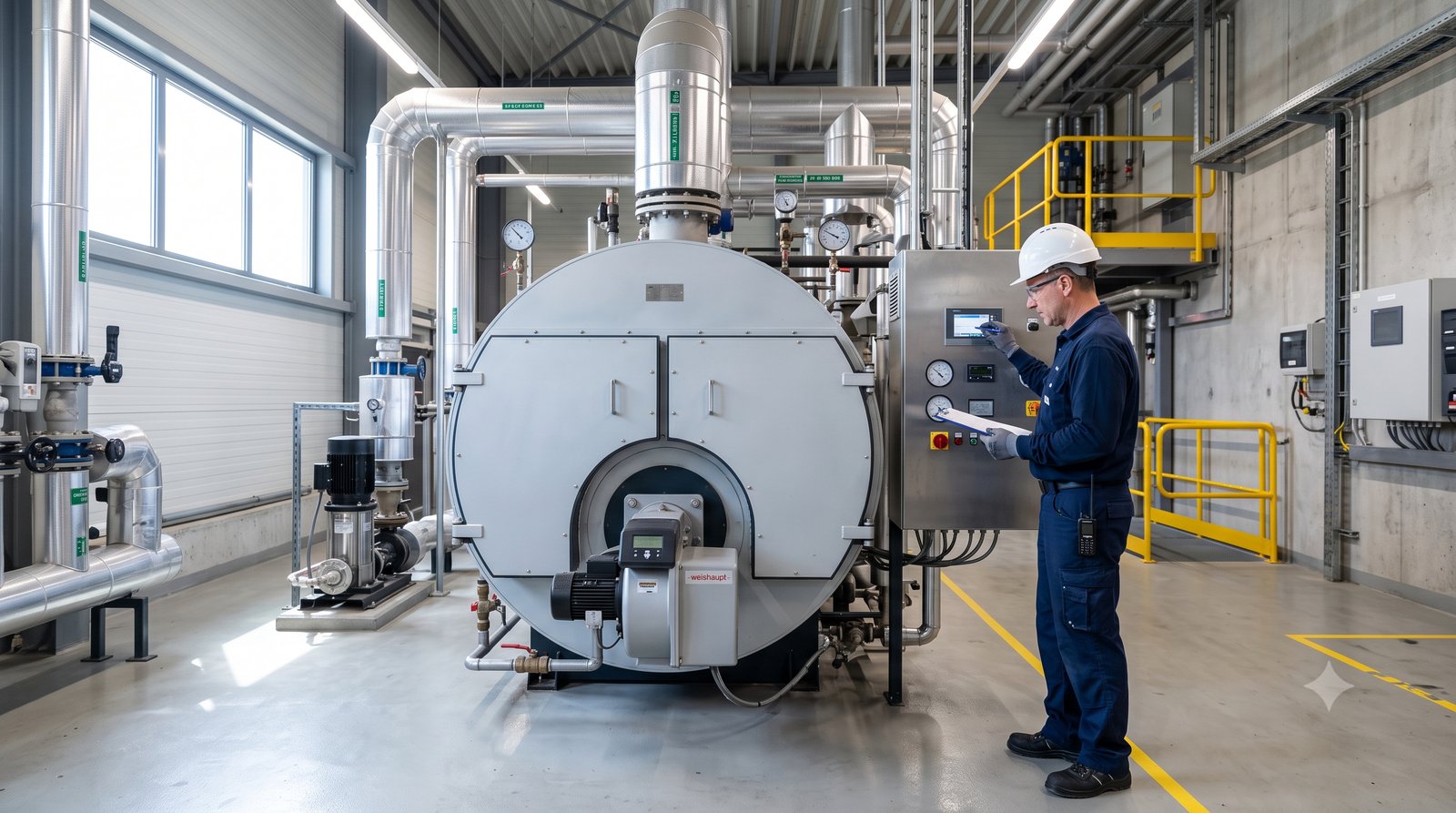
In a brewery, the wort boils. In a laundry, the flatwork ironer presses the sheets hot. In a meat plant, the line is sterilised at the end of the shift. In a food factory, the product is cooked inside its own packaging. Four businesses with nothing in common, and all of them stop at the same instant when the same thing runs out: steam. It is the input nobody sees and without which none of this works. For anyone reselling industrial equipment in Brazil, that is where the line with the highest ticket and the least amateur competition sits, because the barrier to entry frightens off anyone without a partner at source.
What boilers and steam generators are
It is the equipment that turns water into pressurised steam to feed a production process. The boiler is the classic format, with a large volume of water, burning gas, diesel or biomass. The steam generator is the compact, fast-starting version, which works with little water in circulation and therefore falls into a lower regulatory risk band, which changes everything when it comes to installation. In neither case are you buying a large water heater: it is a pressure vessel, with its own standard, requiring a design, periodic inspection and a certified operator. That is precisely why the line is profitable: it keeps the unprepared buyer away.
Models and variations
A “boiler” is not one single machine. In the trade fair hall they are different families, and each serves a type of customer and a band of operation:
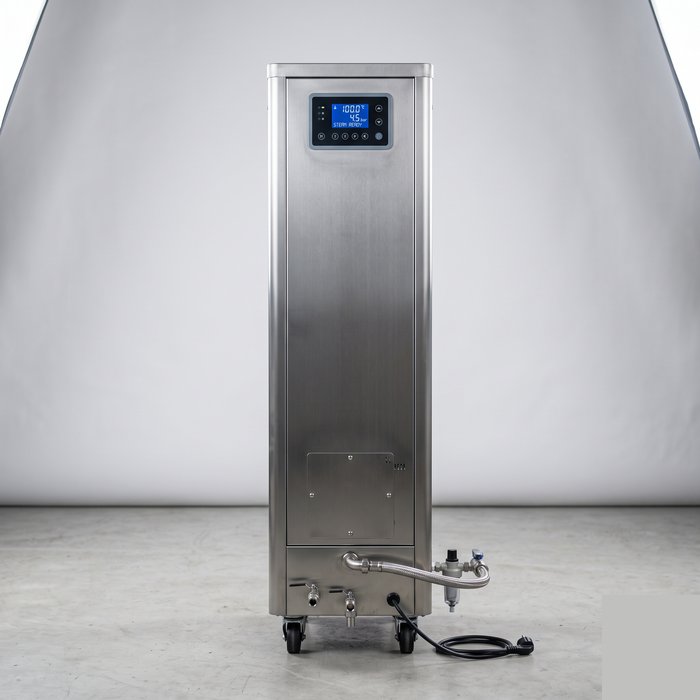
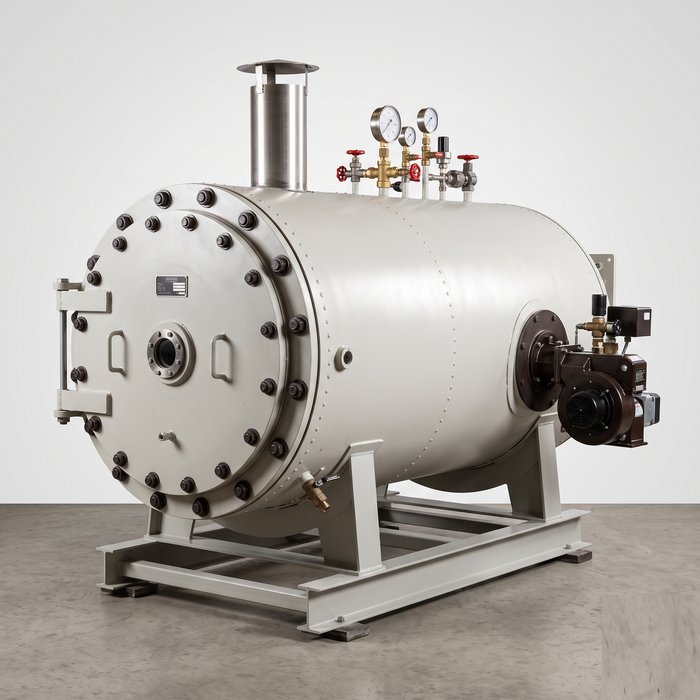
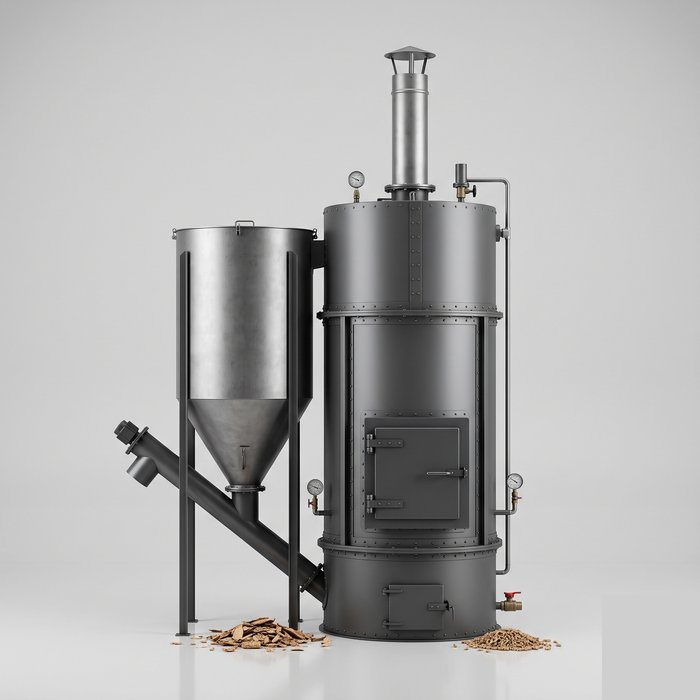
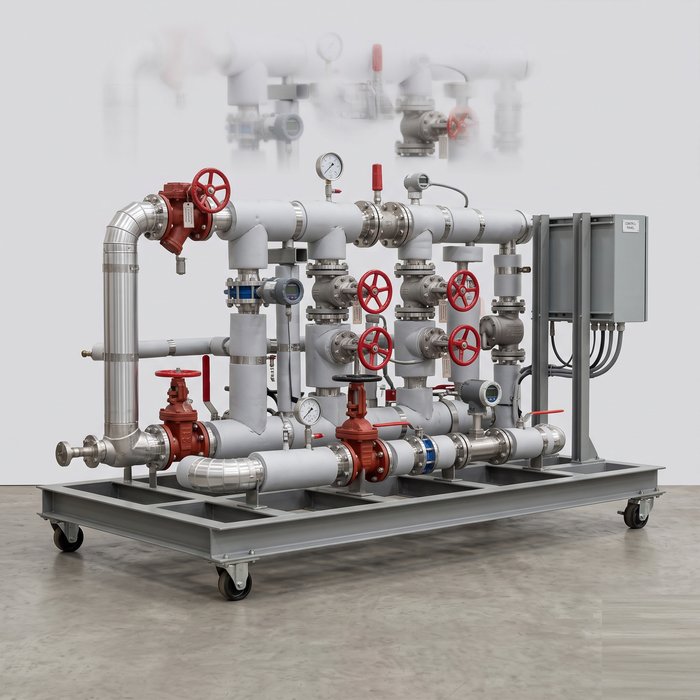
The difference between them is not power, it is the customer's business model. The electric generator serves laundries and small food plants, which need steam quickly and have neither the space nor the licence for a boiler house. The fire-tube is for whoever runs all day and pays for the fuel to have volume. Biomass wins where there is agricultural or timber residue to spare, and it is where the customer's savings appear fastest. The skid is what almost every importer forgets: without pipework, valves and steam traps the boiler does not deliver steam to the process, and it is additional revenue that comes with every sale.
Why this is an opportunity for Brazil
Steam is a process input, not a fashion. Whoever buys it is not testing a new product: they are solving a production constraint, and that is why they buy urgently and come back to buy again.
- Demand with no seasonality: food, drink, laundry, dyeing, hospitals and chemicals produce all year round. There is no low season for steam.
- High ticket, hard to compare: it is a technical sale, in which the buyer needs guidance on capacity, fuel and standards. Whoever only shows a price loses to whoever sizes the equipment.
- The regulatory barrier is your ally: NR-13 keeps the improvising reseller away. Whoever masters compliance ends up with a market many people do not even try to enter.
- Revenue that continues after the sale: burners, safety valves, steam traps, heating elements, water treatment and periodic inspection are genuine recurring business, not a promise.
- Timing: the typical lead time is 60 to 120 days. Whoever closes at the October fair receives in time to serve the customer planning next year's expansion.
Before importing: this is the most regulated line in the Showcase and it allows no improvisation. A pressure vessel answers to NR-13, which requires a design, a record book, a safety valve, periodic inspection and, depending on the category, a certified operator. The electrical side follows INMETRO, and burning fuel also involves environmental and fire brigade licences at the destination. The compact generator usually falls into a lower risk category than a large boiler, and that choice changes your customer's operating cost for good. Confirm the voltage (220V or 380V three-phase), the fuel and the technical documentation the factory supplies. It is worth inspecting before shipment, because a pressure vessel weld cannot be checked from a photograph. See also how to import equipment from China.
Customise the specification (OEM)
A boiler is not bought from a catalogue, it is specified for the customer's operation and for the installation they have. This is where having someone at source separates whoever delivers a solution from whoever delivers an installation problem:
- Capacity and working pressure: defined by the end customer's process. Undersized equipment blocks their production, and oversized equipment burns fuel for nothing.
- Fuel and risk category: electric, gas, diesel or biomass, and the choice between a compact generator and a boiler, which determines the requirement for an operator and a boiler house.
- The technical documentation NR-13 will demand: design report, drawings and certificates for the safety components, settled with the factory before production and not requested after the container has arrived.
- Voltage, panel and language: 220V or 380V three-phase, control panel and manual in Portuguese, which here is not a courtesy, it is part of safe operation.
- Critical parts and support: safety valve, pressure switch, burner and heating element agreed in the initial order, because that is what your customer will be asking you for over the years.
This calls for direct negotiation with the manufacturer and validation before production. BCVN finds the right factory, specifies the equipment for Brazilian conditions, handles compliance and validates technical support.
Where to buy boilers and steam generators in China
The steam line sits in the machinery hall of the universal trade fair, and it crosses with the fair where much of the end customer that consumes that steam is to be found:
- Canton Fair, Phase 1 (Machinery and Equipment): from 15 to 19 October, where the manufacturers of boilers, steam generators and burners are, in the same hall as the other industrial machinery.
- FHC China (hospitality and food service, Shanghai): from 10 to 12 November, where you get to understand the food, drink and hospitality operations that much of that steam goes into.
- Guide to industrial equipment: where machinery investment goes astray, and what has to be settled before shipment.
The itinerary the season sets out: Canton Phase 1 (15 to 19 October, Guangzhou) and FHC (10 to 12 November, Shanghai) fall in the same autumn season. You can see the equipment among the manufacturers at Canton and its real use in food and hospitality operations at FHC. See the full 2026 trade fair calendar.
It is also worth looking at industrial laundry equipment and the industrial bakery line, which are two of the largest consumers of steam and follow the same logic of equipping an entire business at source.
A boiler is not the easiest import in the Showcase, and that is exactly why it rewards whoever goes to the source. You do not buy pressure and capacity from a catalogue: you buy equipment that will pass inspection, be operated by trained people and run under pressure for years inside somebody else's factory. For anyone supplying Brazilian industry, it is the line in which the right partner at source is worth more than any discount.
Frequently asked questions about importing boilers and steam generators
Does a boiler imported from China need certification in Brazil?
Boilers and steam generators are pressure vessels and answer to NR-13, which requires a design, an equipment record book, safety valves, periodic inspections and, depending on the category, a certified operator. The electrical side follows INMETRO rules, and burning fuel also involves environmental and fire brigade licensing at the installation. None of this is optional: it is what separates equipment that goes into operation from equipment standing idle waiting to be brought into compliance.
What is the difference between a boiler and a steam generator?
A boiler holds a large volume of water and takes longer to come up to working conditions, delivering a great deal of steam continuously. A steam generator works with little water in circulation, starts up quickly and takes up far less space, and for that reason it usually falls into a lower regulatory risk category, which reduces installation and operating requirements. The choice between the two is not merely technical: it changes the end customer's cost and paperwork for good.
Why does importing boilers from China pay off?
China manufactures the whole line, from the compact electric generator to the biomass boiler, and the price at source is a fraction of what is charged here. It is a high-ticket technical sale, with demand that has no seasonality, because food, drink, laundry, dyeing and hospitals produce all year round. And there is recurring business: burners, valves, steam traps, heating elements and water treatment carry on generating revenue after the equipment has been sold.
Can I import just one boiler to test?
BCVN is an import consultancy for companies and resellers, not a retail shop, and does not sell single units. Import maths only works on volume: freight and paperwork are diluted across the batch, and every factory works to a minimum order quantity (MOQ). Anyone who needs a single piece of equipment should buy from a distributor in Brazil; anyone who is going to resell, represent the brand or equip their own sites imports at source, and that is where the savings really show up.
Where can I buy boilers and steam generators in China?
At the Canton Fair, Phase 1 (15 to 19 October), which brings together the manufacturers of boilers, steam generators and burners in the machinery hall, and at FHC China in Shanghai (10 to 12 November), where the end customers in food, drink and hospitality are. BCVN validates the manufacturer, sizes capacity and fuel, handles the documentation NR-13 will require, confirms the voltage and negotiates the supply of critical parts.