
Why China is the source of electronics, and why that misleads
Shenzhen and the Pearl River Delta hold the most complete electronics supply chain on the planet: components, boards, assembly, packaging and freight all come out of the same few-kilometre radius. For the Brazilian importer, that means price, variety and the chance to put a private label on a product that, on the shelf, sells for multiples of its cost at source. The opportunity is real and it is large.
The problem is that how easy it is to buy hides how hard it is to import in compliance. Closing the order in a catalogue takes five minutes; getting the electronics through customs and legally onto the shelf is another game. That second game is where the money is made or lost, and it is what this guide is about. If you are looking for the step-by-step of typing the product into a marketplace and hitting buy, this is not it: electronics is not about where to click, it is about what to settle before shipping.
Compliance: where electronics part company with everything else
No category has a regulatory yardstick as demanding as electronics. Two agencies define whether your product can be sold in Brazil at all, and both hold the importer responsible, never the Chinese manufacturer.
This is the point that separates those who import electronics safely from those who gamble: understanding that CE, FCC and RoHS do not count in Brazil. They are European, American and substance standards, useful abroad and irrelevant to Brazilian customs. A product can carry all of those marks and still be irregular here. To understand that distinction in depth, the guide to ANATEL and INMETRO homologation for Chinese electronics breaks down each case. On the Chinese side, almost all of this is born in a single city, and it is worth knowing it: inside Shenzhen.
One family of electronics answers to an even stricter rule: electromedical equipment, such as aesthetic laser and RF, answers to two agencies, not two standards from the same one. The guide to importing health and aesthetic equipment from China shows why the INMETRO certificate has to come before the ANVISA registration, never after.
The question that decides the order: before closing on any electronic item, the first question is not "how much does it cost", it is "does this product emit radio and does it need a power supply?". The answer defines whether you will be dealing with ANATEL, with INMETRO or with both, and homologation is not something you sort out after the shipment arrives. It is sorted out before.
Who can import, and why the NCM code decides the cost
Importing electronics to resell is not a scaled-up personal purchase. It is a company operation, and it requires two things from the start: a CNPJ with a compatible business activity and clearance in RADAR Siscomex, the registration that authorises trading abroad. Without those there is no regular import in volume, and buying one-off parcels neither sustains a resale business nor answers for the compliance described above.
With the question of who imports settled, in comes what weighs most on cost and risk: the NCM, the eight-digit code that classifies the product and determines the taxes it attracts. Electronics is a classification minefield, because the same device can fit more than one code, at different rates, and the Receita does not accept whichever reading happens to be cheapest for you. Classifying wrongly, by mistake or by cunning, is an invitation to an assessment, a demand for the difference and a fine. The guide to NCM and tax classification explains why this is the mistake the Receita charges most dearly for. Which electronics categories are worth opening next year is another conversation, and it is in the guide to the ten technologies of 2027.
Add the exchange rate, the freight, the insurance and the tax on the customs value, and it becomes clear why the supplier's tag price is only the start of the calculation. To build the real total cost, it is worth reading how much it costs to import from China and the guide to freight from China to Brazil. One family inside this category deserves its own read, because it combines a radio, a lithium battery and a moving part in a single product: the Chinese service robot.
The mistakes that get an electronics shipment held
The Receita pulls part of all imports aside for inspection, and electronics is one of its favourite targets, because it combines high value, frequent under-invoicing and complex classification. These are the mistakes that most often send the container to the red channel:
1. Assuming the Chinese mark counts here
Buying on the strength of CE or FCC and finding out at customs that ANATEL homologation or INMETRO certification is missing. The product is held and, more often than not, there is no way to regularise it after shipping.
2. Under-invoicing
Declaring a value below the real one to pay less tax. The Receita holds reference prices for electronics and recognises the pattern instantly. The result is detention, arbitrated valuation, a heavy fine and a poor record for the next imports.
3. Using the wrong NCM code
Picking the lower-rate code with no technical basis. If the inspectors reclassify it, the tax difference and a fine follow, and the shipment sits there while it is sorted out.
4. Importing radio products without homologation
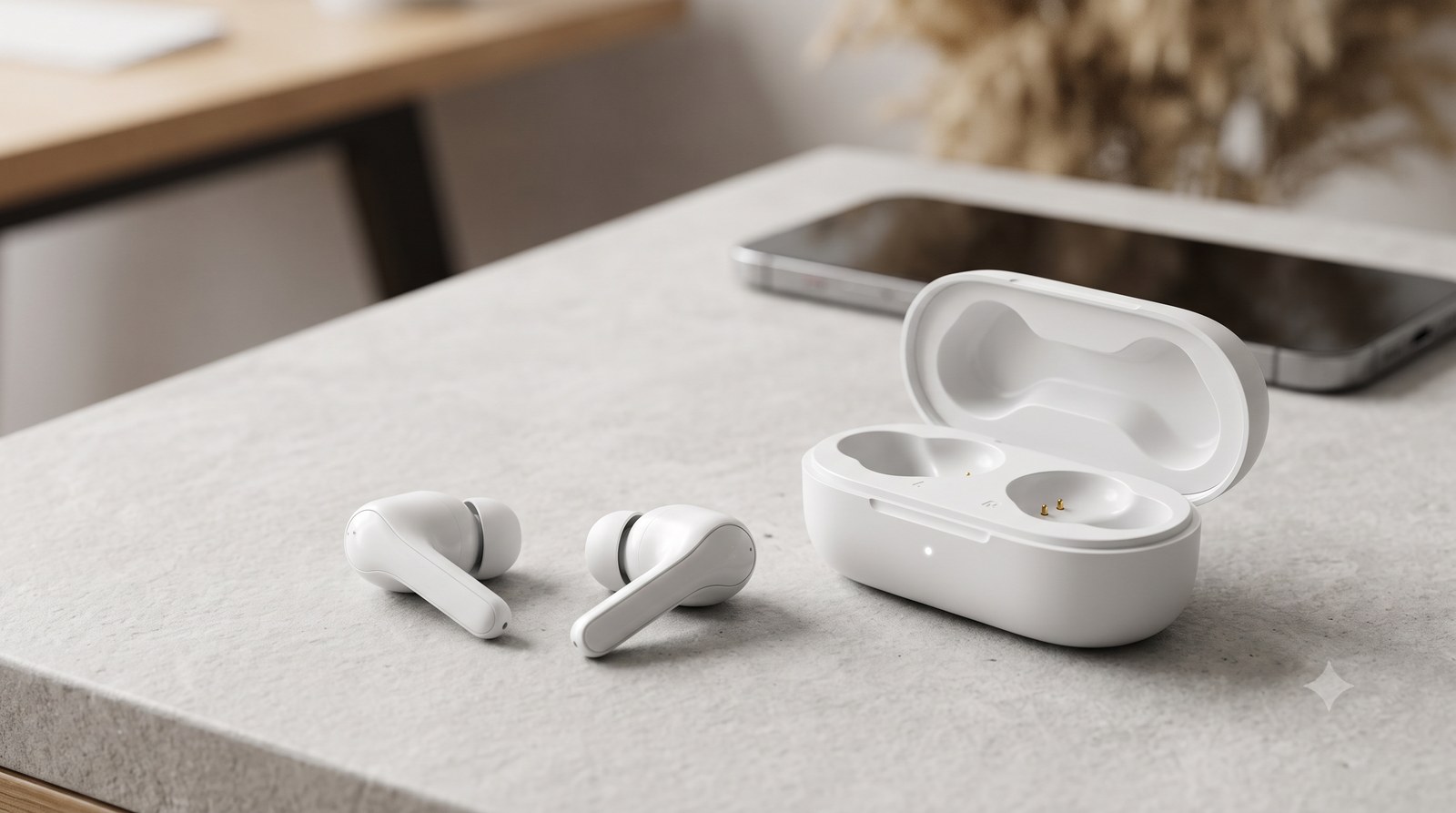
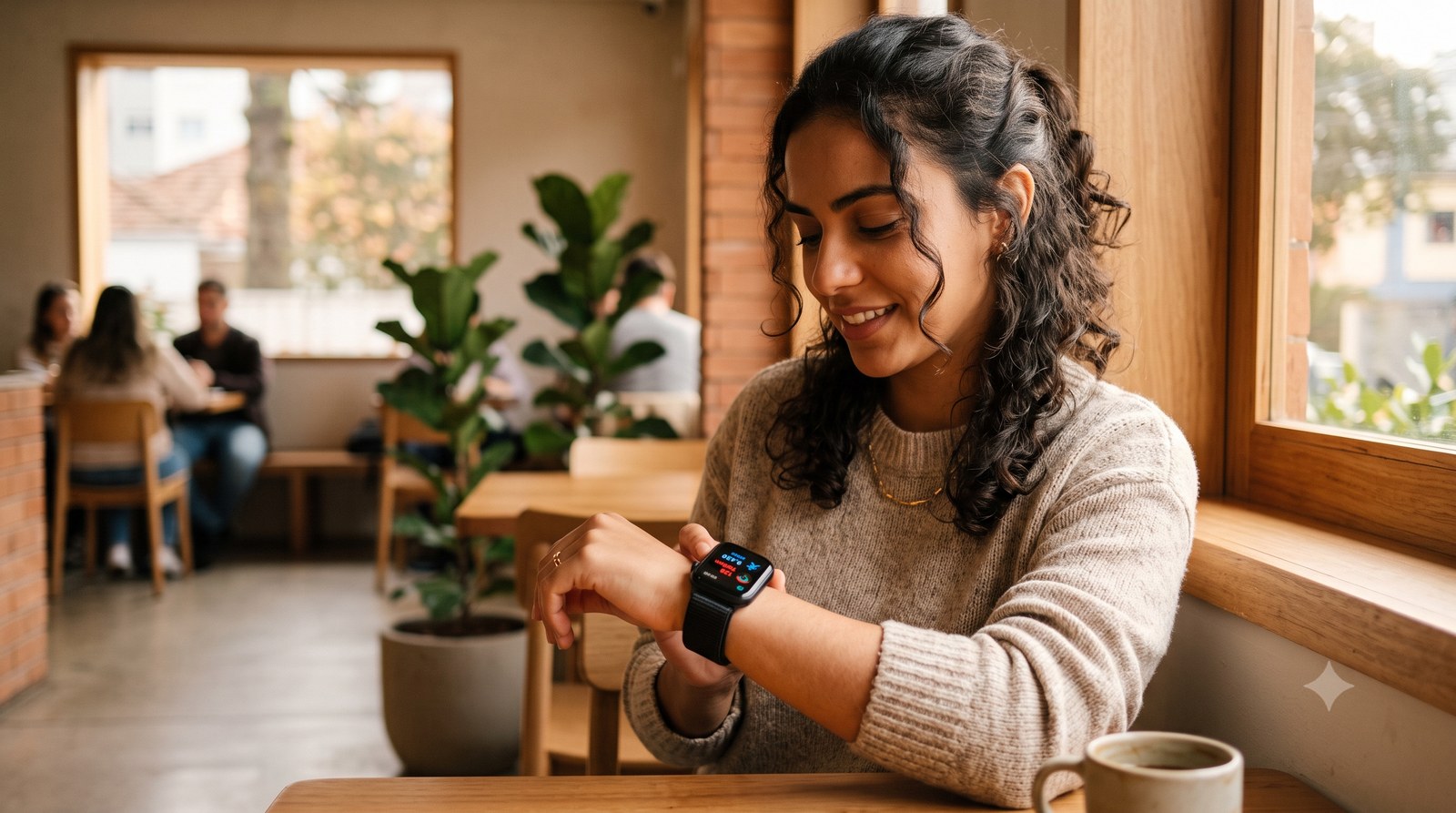
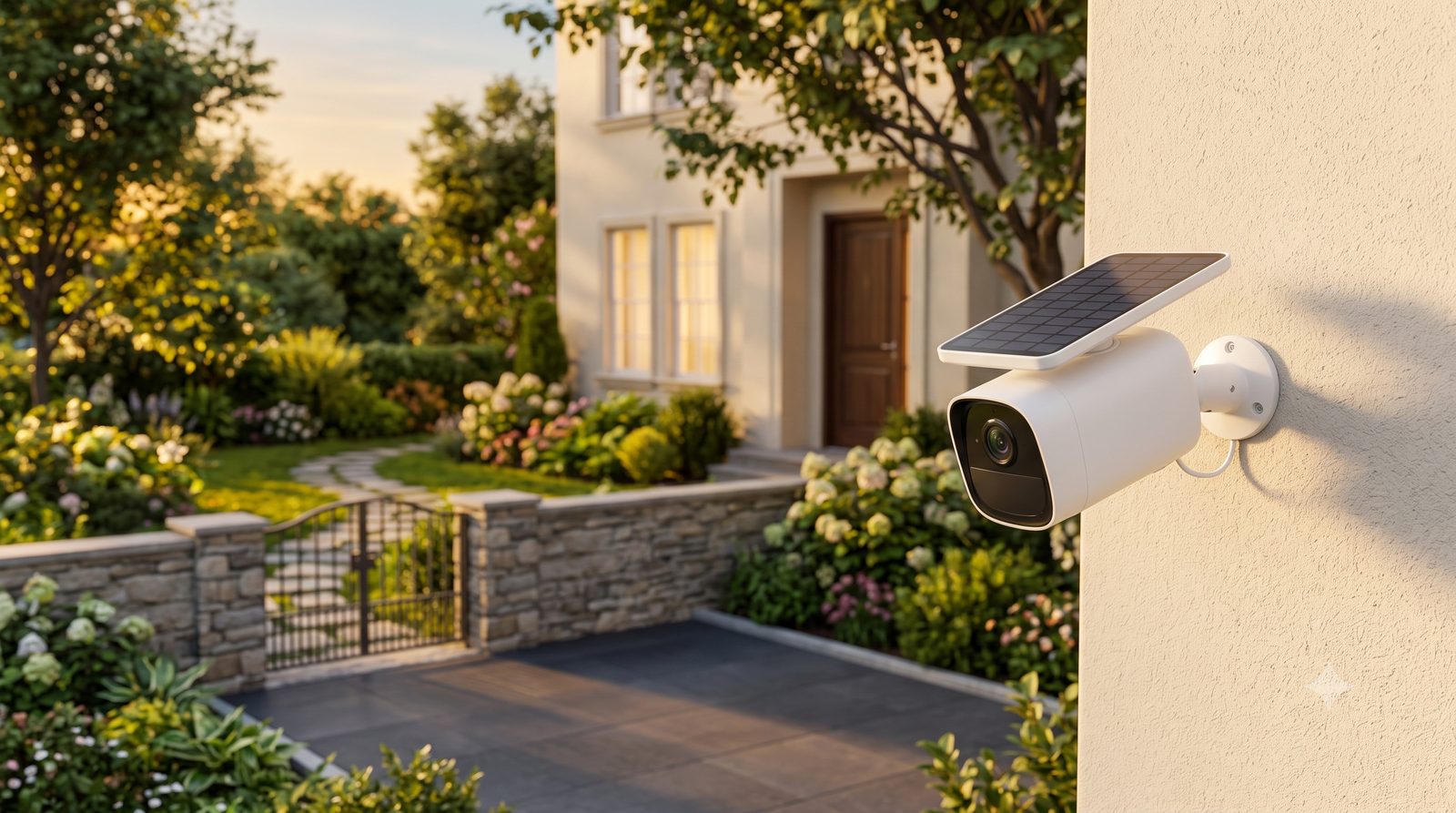
Bringing in earbuds, smartwatches or Wi-Fi cameras without ANATEL homologation under way. Beyond the risk at customs, the product cannot legally be sold, and the stock becomes dead weight.
5. Ignoring the lithium battery
Much of modern electronics carries a lithium battery, which is dangerous goods and has its own rules for transport, packaging and paperwork. Treating it as ordinary cargo either stops the shipment or creates a problem at destination.
6. Buying without inspecting the batch
The sample that arrived perfect does not guarantee the batch. Factory-defective electronics show up in bulk: power supplies that overheat, batteries that will not hold a charge, frozen firmware. With no pre-shipment inspection, the loss is only discovered once the cargo is already in Brazil.
The common denominator of these six mistakes is that all of them are solved at source, before shipping, and none is fixed once the cargo is on its way. For the full picture of what holds goods up, see the mistakes that make the Receita hold your shipment.
What cannot be sorted out from afar
There is plenty of content teaching you to "import on your own" from China, and it almost always stops exactly where the business really begins. Because the stages that decide the outcome are not the ones done in front of a computer, with photos and catalogues. They are these:
- Knowing whether the factory is a factory. Many electronics suppliers are trading companies reselling from third parties. Finding out who actually produces, and with what quality control, is fieldwork and relationships, not a marketplace profile.
- Inspecting the batch for real. Testing samples from the packed batch, switching the product on, measuring the battery, checking the power supply and the label, before the final payment goes out. It is the cheapest insurance in the operation, and it depends on being there.
- Filing the homologation and the certification. ANATEL and INMETRO require paperwork, test reports and time. Running that as the responsible importer, in parallel with production, is what keeps the cargo from sitting still.
- Getting the specification right. Voltage, the Brazilian plug standard, firmware and manual language, packaging with your own details. One wrong detail here makes the whole batch unsellable.
- Negotiating as an equal. Price, quantity, lead time and warranty are negotiated better with presence, the language and a track record. The distant buyer with no volume gets the worst terms.
None of those stages fits into a tutorial, because none of them is done from a distance. This is exactly where a partner at source stops being a luxury and becomes what separates a profitable import from a headache. A good pre-shipment quality inspection pays for that care many times over on its own.
The sum that rarely shows up: the cheapness of importing on your own ignores the cost of the mistake. A batch of irregular or defective electronics is not a discount, it is a total loss plus the capital locked in. The partner does not make the operation more expensive, it removes the risk that breaks the first-time importer.
Where to see electronics in China before buying
The best way to choose electronics is not from a photo, it is with the product in your hand. Two events concentrate the sector in the autumn season, and both can be combined in the same trip:
Being at the fair lets you test the product, compare dozens of factories in hours and tell who manufactures from who merely resells, all before committing a single cent. It is worth looking at the full calendar of China trade fairs 2026 to fit the dates together.
Chinese electronics in the Showcase
Real electronics finds measured by this same ANATEL and INMETRO yardstick, each with its cost and resale logic. See more in the China Showcase.
Frequently asked questions about importing electronics from China
Do I need ANATEL homologation to import electronics from China?
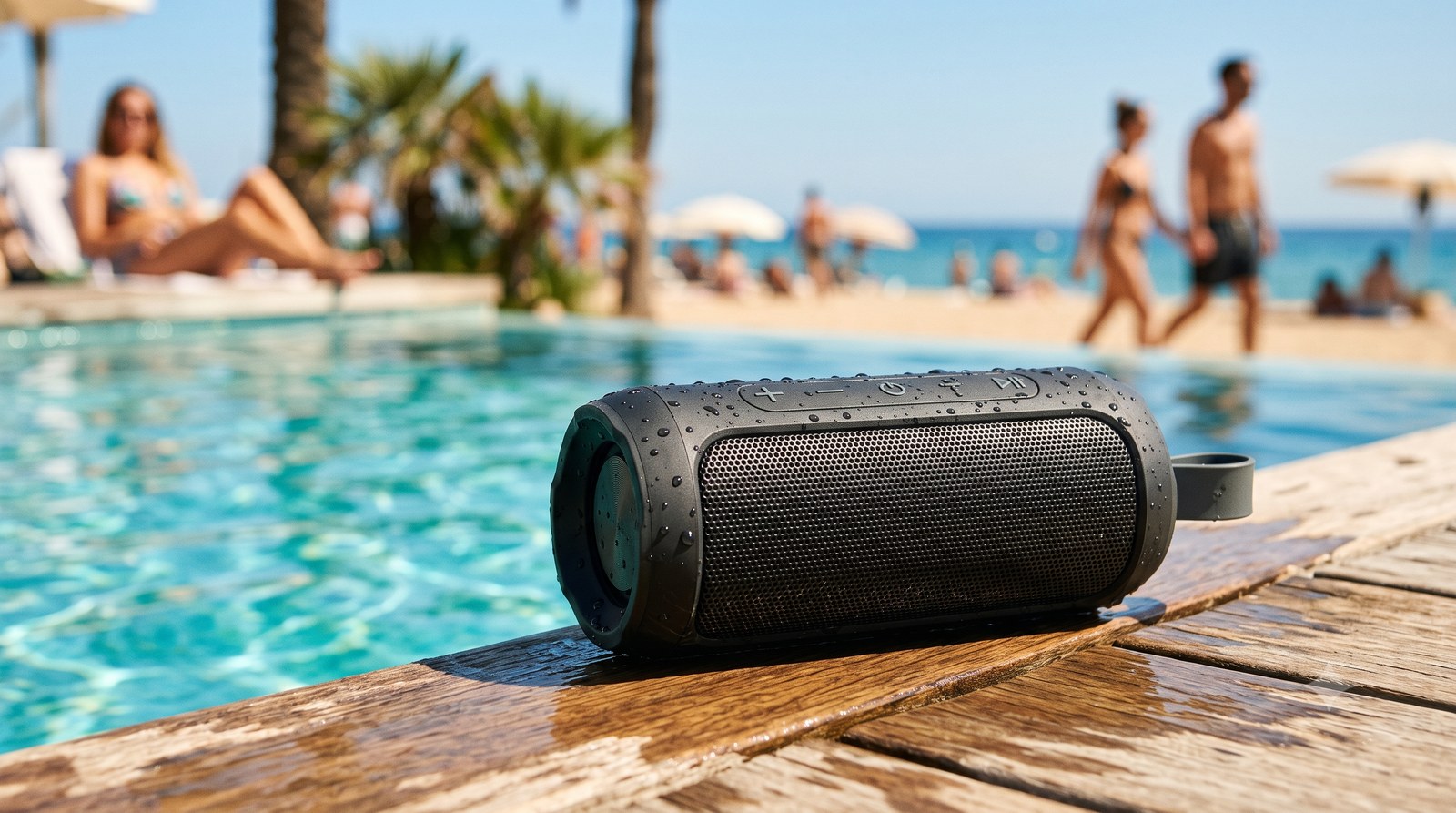
Yes, whenever the product transmits radio: Wi-Fi, Bluetooth, mobile, active GPS, wireless remote control. TWS earbuds, smartwatches, speakers, Wi-Fi cameras and routers all fall under that rule. ANATEL homologation is the Brazilian importer's responsibility, not the Chinese manufacturer's, and a telecoms product without homologation cannot be sold nor, in many cases, cleared through customs. An item that does not emit radio may escape ANATEL, but can still fall under INMETRO safety certification.
Can anyone import electronics from China?
To import regularly and in volume you need a CNPJ and RADAR Siscomex clearance, the registration that authorises a company to trade abroad. Buying as an individual, parcel by parcel, is not the route for anyone who wants to resell: beyond the limits and the tax on parcels, there is no structure to answer for the product's compliance. Importing for resale is a company operation, and that is why BCVN serves retailers, distributors and industry, not the purchase of a single unit.
Is the Chinese supplier's CE or FCC certificate valid in Brazil?
No. CE is a European mark, FCC is North American and RoHS deals with substances; none of them replaces the ANATEL homologation or the INMETRO certification required in Brazil. The Chinese manufacturer will build to whichever standard you ask for, but the one answering to the Receita and the regulators is the Brazilian importer. Trusting a foreign mark is one of the mistakes that most often leaves an electronics shipment held at the port.
What makes importing electronics from China most expensive and slowest?
Beyond the factory price, what weighs is the tax calculated on the customs value through the product's NCM code, the freight and insurance, homologation and certification where required, and the risk of detention. Electronics tends to land on the Receita's radar for under-invoicing and for tax classification, and lithium batteries require dangerous goods handling, which changes both freight time and cost. The largest invisible cost is cargo standing still: every day held becomes storage and locked-in capital.
How do I import electronics from China without the shipment being held?
By settling at source what the Receita will demand at destination: using the right NCM code, declaring the real value, filing the ANATEL homologation and the INMETRO certification before shipping, inspecting the batch for real and importing through a properly cleared structure. That is precisely the part that cannot be done from afar, with photos and catalogues. BCVN handles the sourcing, the factory validation, the inspection and the compliant import, so the electronics arrive ready to sell.