
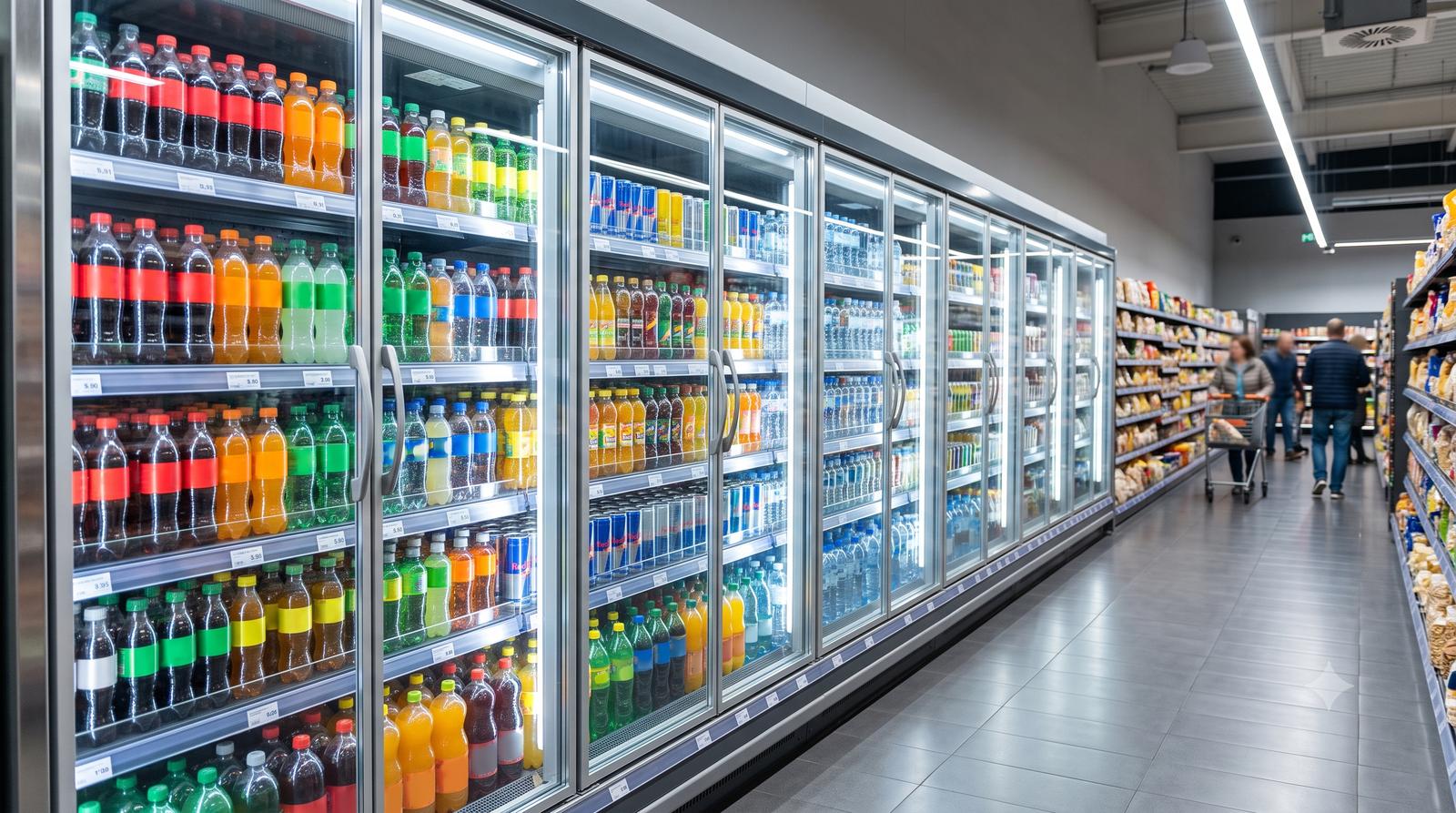
Brazilian food retail is going through an expansion that does not let up: cash and carry, neighbourhood supermarkets, forecourt convenience stores, greengrocers, delivery dark stores. All those formats have one thing in common, they depend on refrigeration in order to sell, and refrigeration is expensive in branded equipment. The one who sees the opportunity is not only the shop owner who needs to fit out. It is the reseller who worked out that China manufactures the whole of commercial refrigeration, from the display cabinet to the cold room, at a price that opens up the market in Brazil.
What commercial refrigeration is
It is the family of equipment that keeps, displays and stores chilled products at a point of sale: the display cabinet that shows and chills, the freezer that freezes, the serve-over counter that displays cold cuts and meat, the cold room that stores. Unlike a domestic fridge, this is heavy equipment, in continuous use and with high turnover, built to sell. China is one of the world's largest manufacturers, and that is what makes it possible to fit out a shop without the cost of ready-made imported equipment from a traditional brand.
Models and variations
“Commercial refrigeration” is not one single product. In the trade fair halls it is an entire universe, and it is that variety which makes the trip worthwhile, because each piece of equipment solves a part of the shop:
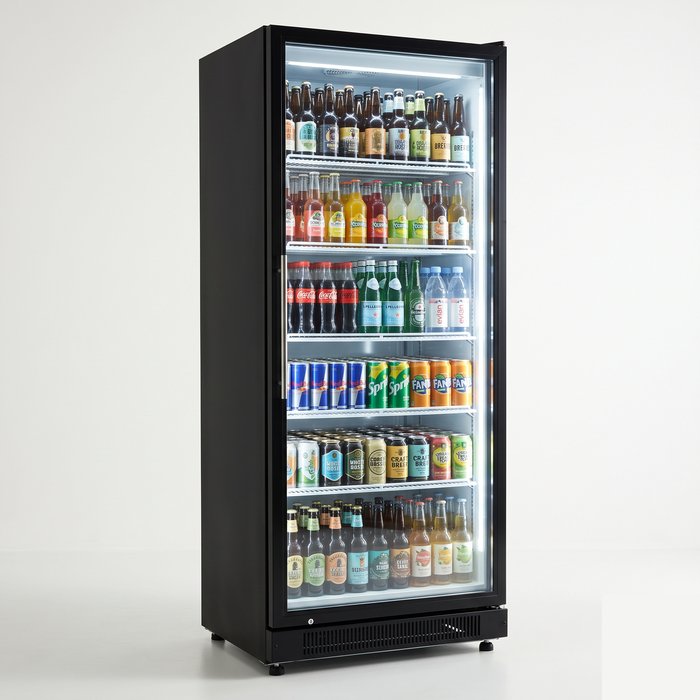
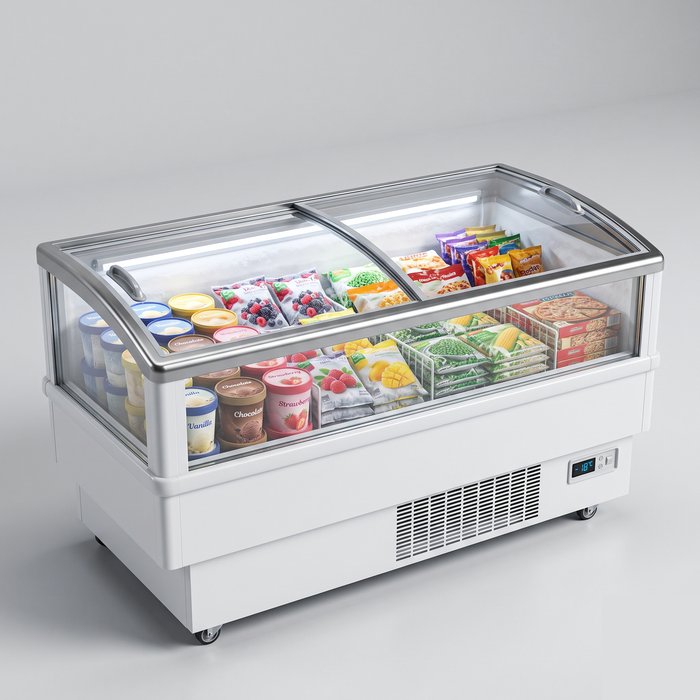
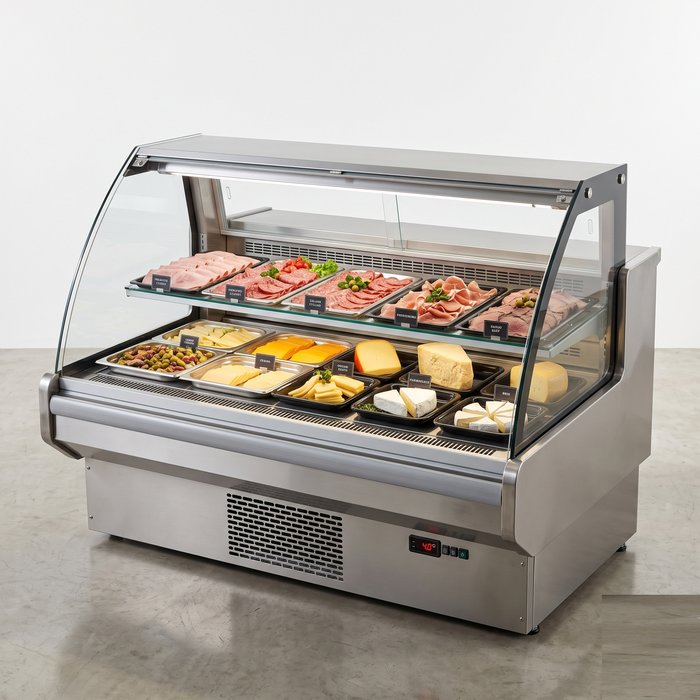
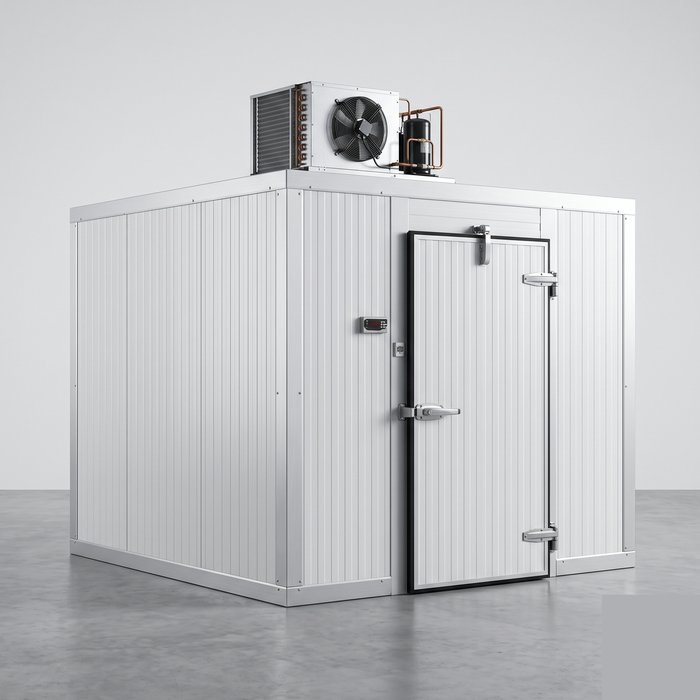
It is this combination that builds the shop. The display cabinet is the impulse purchase behind the glass door; the freezer drives the volume of frozen goods; the serve-over counter shows what the customer chooses by looking; the cold room holds the stock that supplies everything else. Seeing the equipment running, at source, and choosing the right combination is what a catalogue photo never shows.
Why this is an opportunity for Brazil
Food retail is one of the sectors opening the most new sites in Brazil, and every new shop is a batch of refrigeration equipment. At the same time, the cost of branded equipment squeezes the margin of anyone starting out. The Chinese source comes in at exactly that point.
- Constant demand: refrigeration is neither a fad nor seasonal. As long as food retail keeps growing, demand for display cabinets, freezers and cold rooms holds firm.
- The price difference fits out more shops: the saving between branded equipment and equipment imported directly is what lets the retailer open more sites and the reseller close more sales.
- Volume per customer: a shop does not buy one unit, it buys several. And a chain buys them by the dozen, which multiplies the order.
- Spares and servicing that repeat: compressor, door gasket, motor and refrigerant are recurring supply for whoever imports the machine, revenue after the sale.
- Timing: the typical lead time is 60 to 120 days. Whoever closes at the fair has the equipment ready for the next shop opening.
Before importing: this is electrical equipment and follows INMETRO energy efficiency labelling (the Brazilian Labelling Programme), which goes straight onto the retailer's electricity bill. The refrigerant is regulated, with attention to the type of fluid (R290, R134a) and to environmental rules. Confirm the voltage (127V, 220V or 380V three-phase) and the climate class for Brazil. It is worth inspecting before shipment to check the compressor and the sealing. See also how to import equipment from China.
Customise the specification (OEM)
Importing commercial refrigeration from China is not a matter of picking the catalogue model and plugging it in. The equipment is specified to the climate and to the shop, and that is where having a partner at source separates those who get it right:
- Climate and compressor: the climate class and the compressor have to cope with Brazilian heat. Undersized equipment does not chill properly and uses more electricity.
- Voltage, refrigerant and standard: the right voltage, a suitable refrigerant and INMETRO labelling settled before the batch.
- Spares and servicing: the supply agreement for compressor, door gasket and spares, and the technical support the shop will ask for over the years.
- Own brand: where it fits, the distributor can put their own brand (private label/OEM) on the line, with BCVN negotiating the customisation and validating the sample.
That calls for direct negotiation with the factory and validation of the sample before production. BCVN finds the right manufacturer, specifies the equipment for the Brazilian climate, ensures compliance and validates the support.
Where to buy commercial refrigeration in China
Commercial refrigeration equipment is concentrated in the industrial hall of the universal fair and in the food service fair:
- Canton Fair, Phase 1 (Machinery and Equipment): from 15 to 19 October, it brings together the manufacturers of commercial refrigeration in the industrial section, from the display cabinet to the cold room.
- FHC China (food service and hospitality, Shanghai): from 10 to 12 November, with its hall of shop and kitchen equipment, useful for cross-checking refrigeration against the rest of the operation.
- Guide to industrial equipment: the step by step of importing from China, from the order to customs clearance.
The itinerary the season sets out: Canton Phase 1 (15 to 19 October, Guangzhou) and FHC (10 to 12 November, Shanghai) fall in the same autumn season. You can see the refrigeration among the machinery at Canton and the shop operation at FHC. See the full 2026 trade fair calendar.
It is also worth looking at the vacuum sealer and packing machine and the açaí and ice cream machine, which complete the set-up of a food shop.
Commercial refrigeration is not the lightest import in the Showcase, and that is exactly why it rewards those who go to the source. You do not buy just any display cabinet, you buy equipment sized for Brazilian heat, with INMETRO labelling and a manufacturer who will still guarantee the compressor next year. For anyone building or supplying food retail in Brazil, buying at source is the difference between fighting on price and fitting out the shop with a margin.
Frequently asked questions about importing commercial refrigeration
Does commercial refrigeration imported from China need certification?
Yes. Display cabinets, freezers and serve-over counters are electrical equipment and follow INMETRO energy efficiency labelling (the Brazilian Labelling Programme), which weighs heavily on the retailer's electricity bill. The refrigerant is regulated, with attention to the type of fluid (such as R290 and R134a) and to environmental rules. Confirm the voltage (127V, 220V or 380V three-phase on the larger units) and the climate class before importing.
What is the difference between a display cabinet, a freezer and a cold room?
The upright glass-door display cabinet shows and chills drinks and products, and it is the one that sells most on impulse. The chest freezer (island) freezes ice cream and frozen goods and handles large volumes. The serve-over counter or refrigerated display case shows cold cuts, meat and bakery products with the customer watching. The modular cold room is the business's chilled storage, built to the size of the space. Each one solves a part of the shop, and together they form its refrigeration set-up.
Why does importing commercial refrigeration from China pay off?
China is one of the world's largest manufacturers of commercial refrigeration and the price at source is a fraction of what is charged in Brazil, at a moment when cash-and-carry stores, convenience shops, greengrocers and dark stores are multiplying. Every shop needs several units, which generates volume, and there is the sale of spares, compressors and servicing. For the reseller of food retail equipment it is a high-value line with constant demand.
Can I import just one display cabinet to test?
BCVN is an import consultancy for companies and resellers, not a retail shop, and does not sell single units. Import maths only works on volume: freight and paperwork are diluted across the batch, and every factory works to a minimum order quantity (MOQ). Anyone who wants a single unit should buy from a distributor in Brazil; anyone who is going to resell, fit out a chain of shops or represent the brand imports at source, and that is where the savings really show up.
Where to buy commercial refrigeration in China?
At the Canton Fair, Phase 1 (15 to 19 October), which brings together the refrigeration manufacturers in the industrial section, and at FHC China, in Shanghai, the food service and hospitality fair with its hall of shop and kitchen equipment. China concentrates the sector's big factories. BCVN validates the manufacturer, the INMETRO side, the refrigerant, the voltage and the supply of spares.