
If you are already going to China on business, perhaps for the Canton Fair, you are facing an opportunity few travellers take: turning the work trip into the trip of a lifetime. With a little planning, the same days in Asia can also deliver the Great Wall, the Forbidden City, the Terracotta Army and the giant pandas. This guide gathers the unmissable destinations and shows how to fit them into a single journey.
China is bigger (and more diverse) than you imagine
Few countries offer so many different worlds inside the same borders. On a single trip you can move from imperial Beijing, with its palaces and a wall that disappears over the horizon, to futuristic Shanghai, all skyscrapers and lights reflected in the river. Add Xi'an, an ancient capital and guardian of a terracotta army more than two thousand years old, and Chengdu, the calm city of the giant pandas.
That diversity is what makes China such a memorable destination. It is not a one-postcard trip: it is a succession of settings running from ancient history to the boldest modernity on the planet. And thanks to the most advanced high-speed rail network in the world, distances that would seem impossible are covered in a few comfortable hours.
The unmissable destinations
The Great Wall (Beijing)
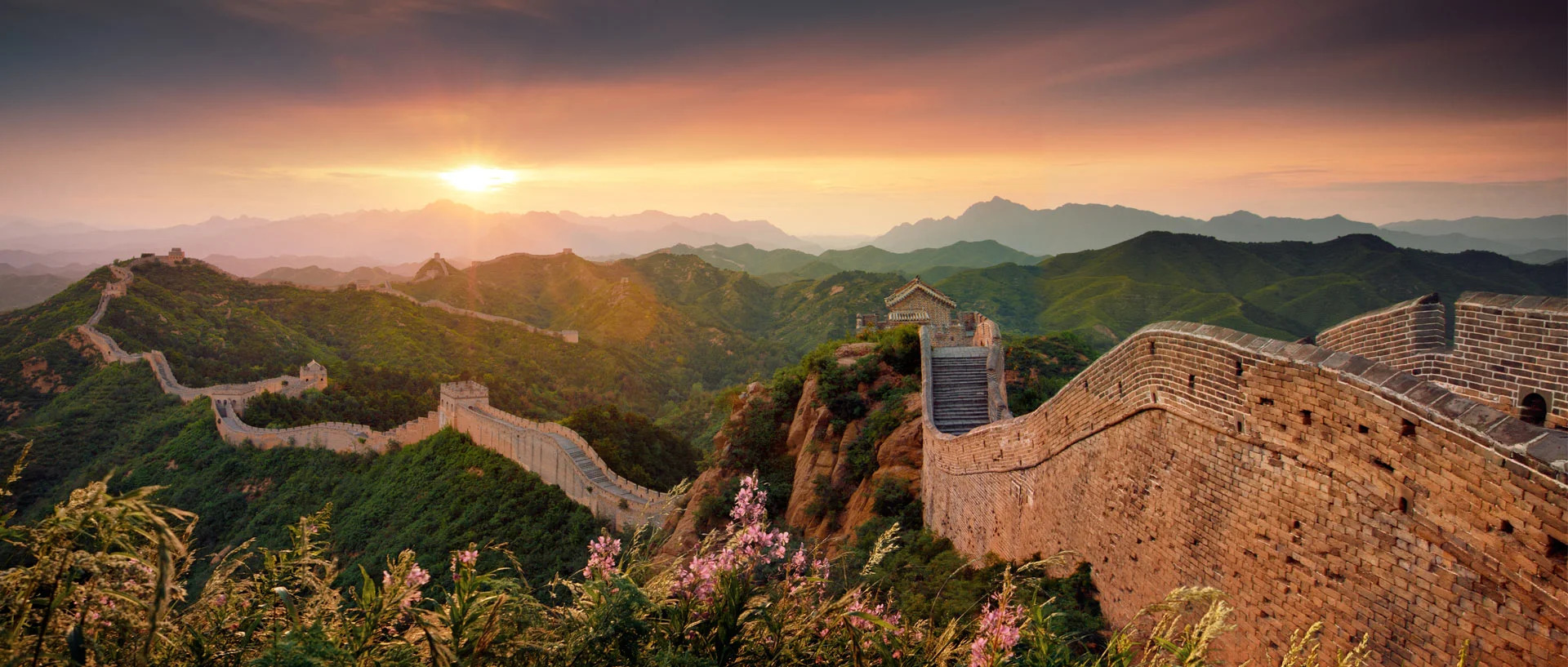
No photograph prepares you for the real scale of the Great Wall. Winding through mountains as far as the eye can see, it is one of the most impressive structures humanity has ever built. The Mutianyu section, near Beijing, is one of the best preserved and most scenic, with a cable car up and even a toboggan down, combining historical grandeur with a good dose of fun.
Forbidden City and Tiananmen Square (Beijing)
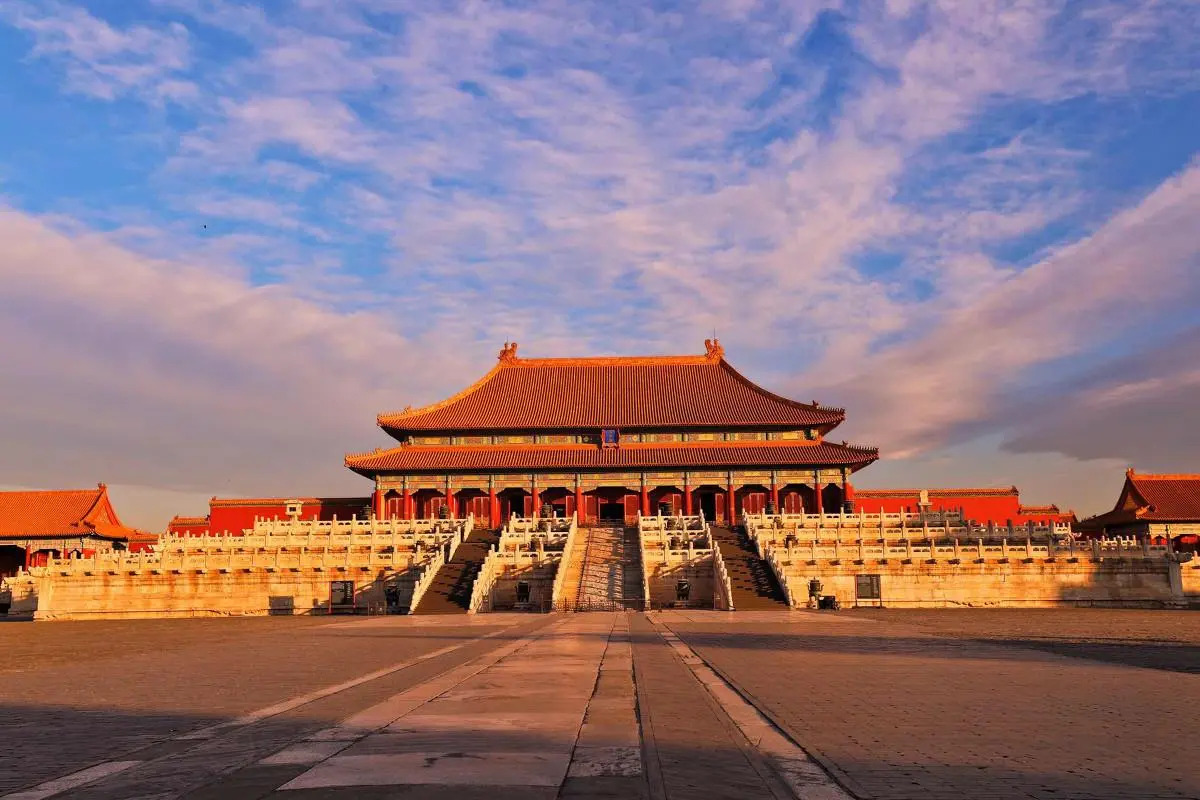
At the heart of Beijing, the Forbidden City was for centuries the palace of the emperors, closed to ordinary people. Today its hundreds of halls, courtyards and golden roofs form the largest palace complex in the world. Next to it, the vast Tiananmen Square and the Temple of Heaven complete the capital's imperial itinerary.
The Terracotta Army (Xi'an)
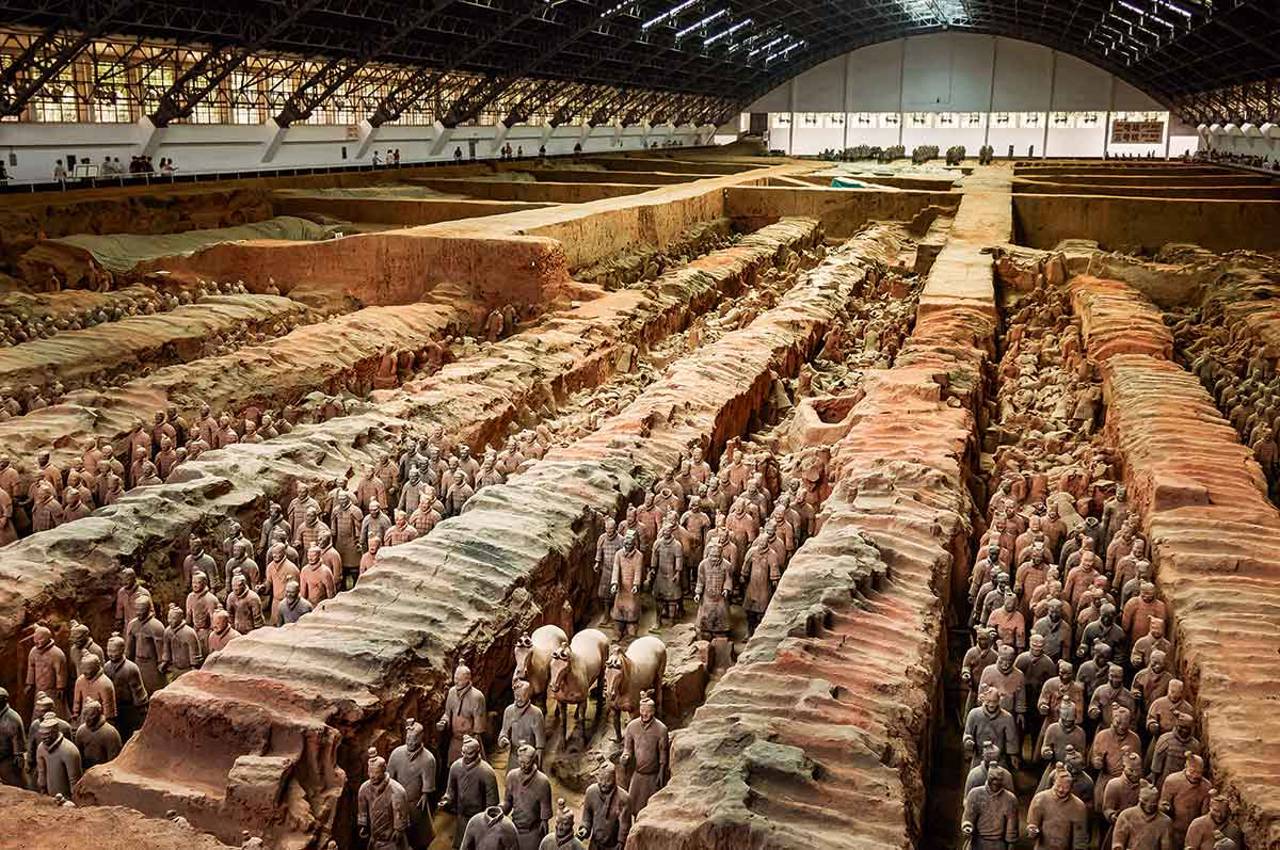
In Xi'an, one of the oldest Chinese capitals, lies one of the most extraordinary archaeological finds in history: the Terracotta Army. Thousands of life-size soldiers, each with a different face, sculpted more than two thousand years ago to guard the tomb of the first emperor. Seeing those silent ranks up close is an experience that stays with you.
The Giant Pandas (Chengdu)

In Chengdu, capital of Sichuan province, sits the cutest destination in China: the conservation centres for the giant pandas. Seeing these rare animals up close, eating bamboo and playing, is the high point of the trip for many visitors, and a unique chance to meet a living symbol of the country.
The Shanghai skyline
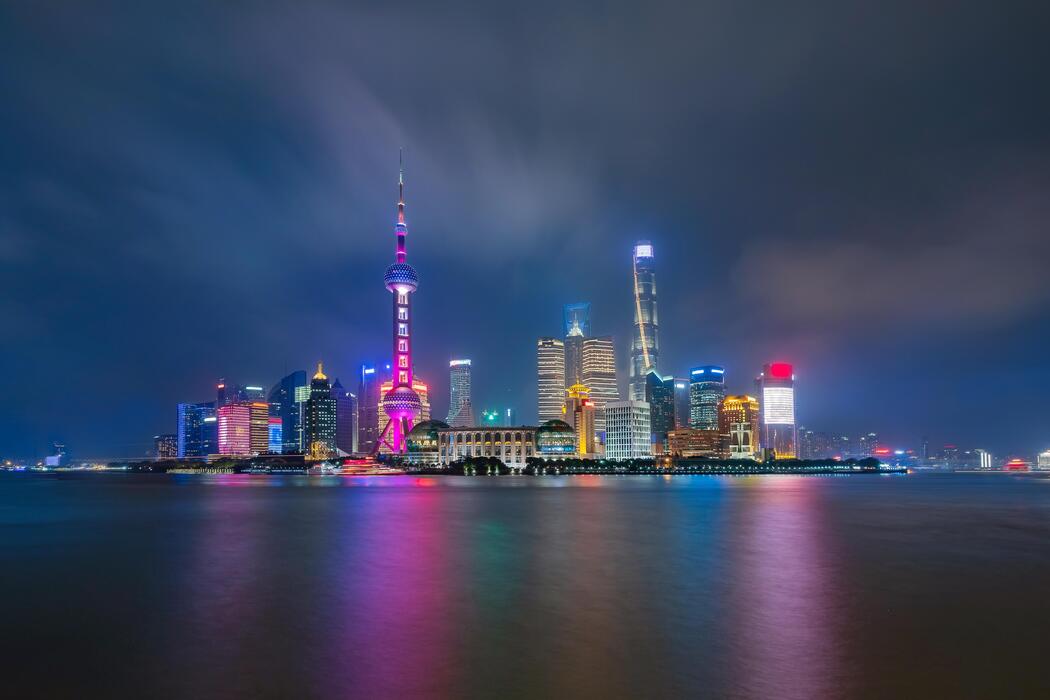
Shanghai is the face of modern China. On the bank of the Huangpu river, The Bund promenade frames one of the most famous urban skylines in the world, with the Shanghai Tower and its illuminated skyscrapers. In contrast, the Yuyuan Garden with its classical buildings and the bustling Nanjing Road show that few cities balance tradition and future so well.
Hong Kong
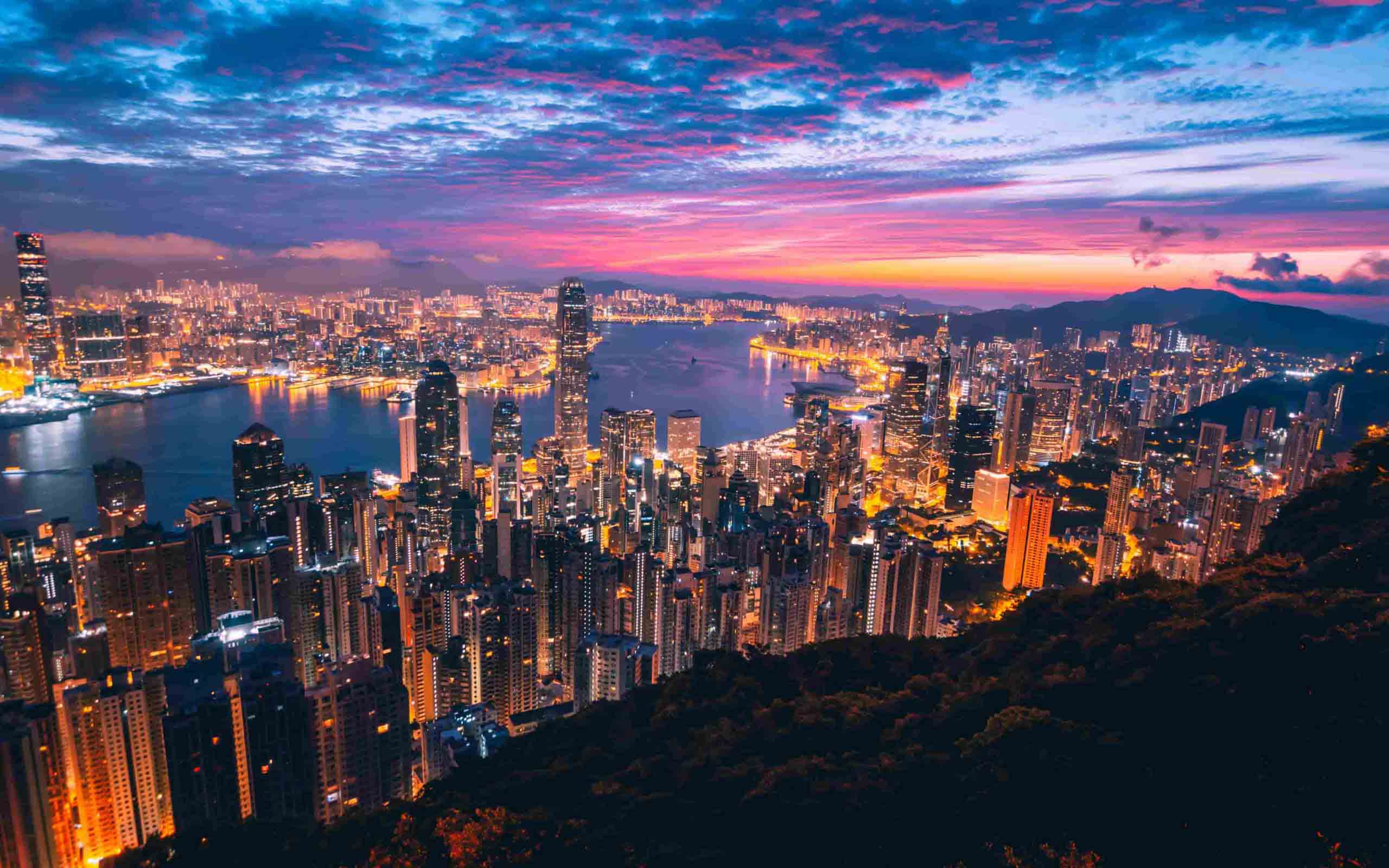
Hong Kong is a chapter of its own: cosmopolitan, vertical and surrounded by water. Riding up to Victoria Peak to see the city from above, crossing Victoria Harbour at dusk and visiting the great Tian Tan Buddha are experiences that make the city a perfect addition to any trip through China.
Tip: on a first trip, Beijing and Shanghai already deliver the essentials. If there is time, Xi'an and Chengdu add unforgettable layers of history and nature.
How to fit sightseeing into a business trip
The clever part is simple: since you will be in China for the fair anyway, you just add sightseeing days before or after. BCVN structures that combination into two main blocks, which can be added to the Canton Fair trip:
| Itinerary | What it includes |
|---|---|
| Imperial Tour | Shanghai and Beijing: The Bund, Shanghai Tower, the Forbidden City, Tiananmen Square and the Great Wall at Mutianyu |
| Adventure Tour | Xi'an and Chengdu: the Terracotta Army and the giant pandas |
| Hong Kong | Two extra days to close the trip: Victoria Peak, Victoria Harbour and the Tian Tan Buddha |
In practice, the trip can range from a pure focus on the fair to a full circuit combining business with the country's main wonders. To understand the logistics better, it is worth also seeing our 10-day itinerary in China and the guide on how much a business trip to China costs. And when you are ready to build yours, take a look at the business mission to the October Canton Fair.
When to go and how to get around
The best times to see China are spring (April and May) and autumn (September to November), with mild weather and beautiful scenery. Not by chance, those are also the Canton Fair seasons, which makes October an ideal moment to combine the fair with sightseeing.
For moving between cities, the high-speed train is the star: comfortable, fast connections between Guangzhou, Shanghai, Beijing and other cities, often more practical than flying. It is what makes it possible to see so much on a single trip. To decide where to start, see also Guangzhou, Shenzhen or Yiwu: which city to visit.
Seeing China without the language barrier
One detail separates a relaxed trip from a stressful one: the language. Outside the big hotels, almost everything in China runs in Mandarin, from signage to transport, from restaurants to shopping. Without local support, simple tasks become challenges, and the precious time of the trip is lost to logistics.
This is where a guided trip makes the difference. With BCVN, you see China accompanied by a bilingual team, with everything organised: flights, high-standard accommodation, transfers, tickets for the attractions and a guide at your side from start to finish. After 18 years taking Brazilians to China, BCVN handles the logistics so that all you have to do is enjoy it. To get a feel for how it works in practice, read this account of a trip to China with a specialist guide.
As for paperwork, there is good news: since June 2025 Brazilians enter China without a visa for stays of up to 30 days, which covers most tourist trips. Even without a visa, one requirement does not change: your passport must be valid for at least 6 months beyond your return date, so check yours in advance and renew it if it is running short. See the details in the guide to the China visa and visa waiver.
Want to turn your trip to China into an unforgettable experience, combining the Canton Fair with the country's wonders? Talk to our team and build your itinerary:
Talk to a specialist And before leaving the hotel for the first time, it is worth reading how the country works day to day, because paying, getting around and ordering food in China is like nothing you have done before.
Frequently asked questions about tourism in China
How many days do you need to see China's main sights?
It depends on how many cities you want to include. To see Beijing and Shanghai without rushing, plan 7 to 10 days. To add Xi'an (Terracotta Army) and Chengdu (pandas), allow 12 to 15 days. Travellers who combine sightseeing with the Canton Fair usually build a single trip of two to four weeks, making the most of the journey to Asia.
Can you combine sightseeing with a trip to the Canton Fair?
Yes, and it is the smartest way to travel. Since you will already be in China for the fair, you simply add sightseeing days before or after. High-speed trains connect Guangzhou to cities such as Shanghai and Beijing in a few hours, which lets you combine business and the trip of your dreams in a single itinerary.
Do Brazilians need a visa to visit China as tourists?
For stays of up to 30 days, no. Since June 2025 Brazilians enter mainland China visa-free for tourism, business and visits, an arrangement valid at least until the end of 2026. Hong Kong also allows visa-free entry for short stays. A visa is only required to stay longer than 30 days or for work and study.
What is the best time of year to visit China?
Spring (April and May) and autumn (September to November) are the best seasons, with mild weather and beautiful scenery. Not by chance, those are also the Canton Fair periods, which makes October an ideal moment to combine the fair with sightseeing around the country.
Is it hard to travel around China without speaking Mandarin?
The language barrier is real outside the big hotels and attractions: signage, transport, restaurants and shopping run almost entirely in Mandarin. That is why travelling with a bilingual guide completely changes the experience, removing the logistical stress and letting you enjoy every destination calmly.
What are the unmissable destinations on a first trip to China?
On a first trip, the highlights are the Great Wall and the Forbidden City in Beijing, Shanghai's futuristic skyline seen from The Bund, the Terracotta Army in Xi'an and the giant pandas in Chengdu. Hong Kong, with Victoria Harbour and Victoria Peak, is an excellent addition.
BCVN — Brasil China Viagens e Negócios has been connecting Brazilian companies to the best suppliers in China and Asia since 2008, and organises guided business trips to China's main trade fairs, with sightseeing itineraries around the country.