
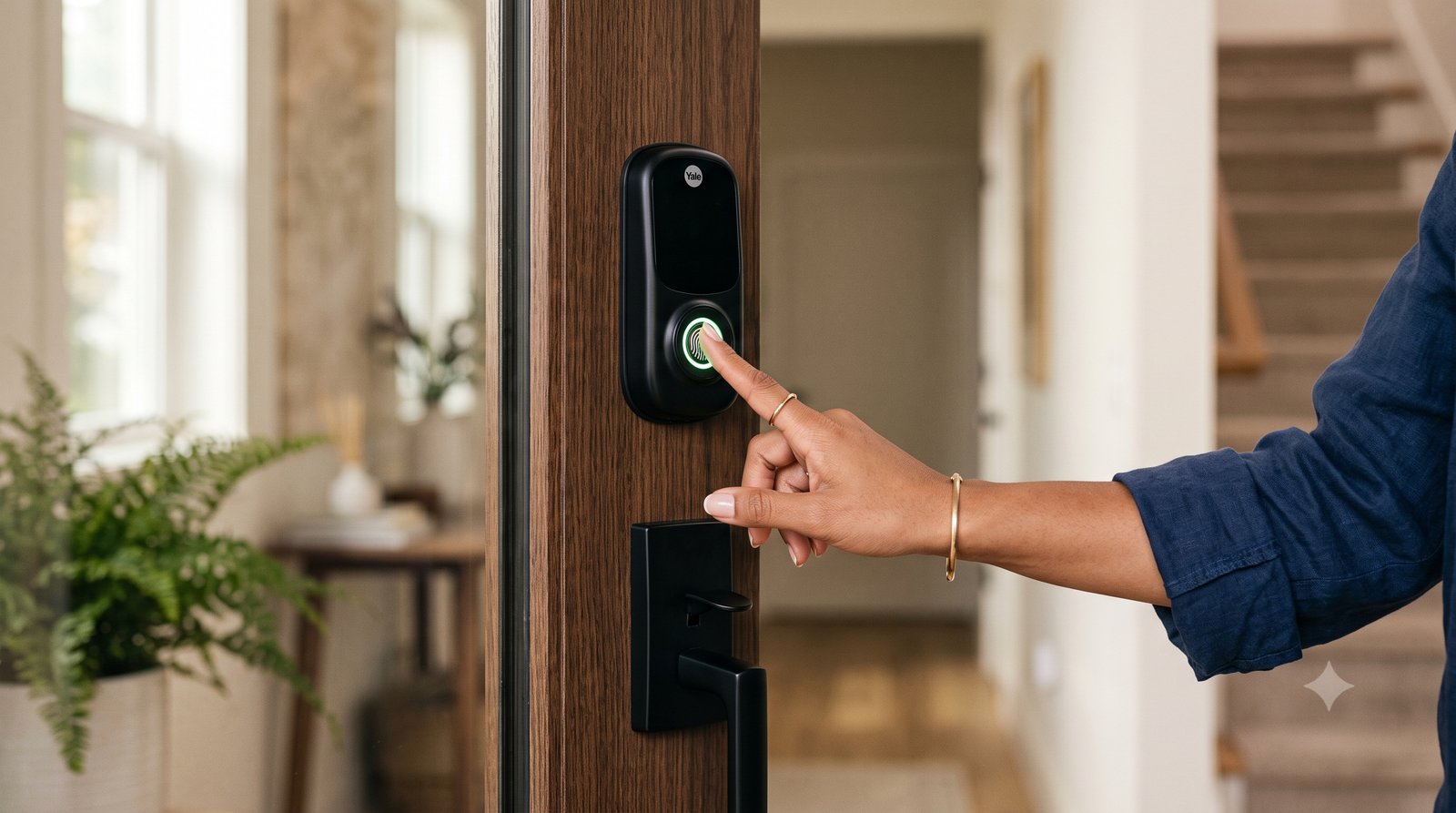
The metal key's days are numbered. Just as the switch became a smart bulb and the padlock became an app, the entrance to the home and to the shop is going through the same transformation: from the combination lock to the biometric one, from the audio intercom to the video door phone with a camera. Whoever sees the opportunity is not only the person who wants more security at home, but the importer who realised that this line leaves China at a fraction of the shelf price, in a market still far from saturated in Brazil.
What the digital lock and the video door phone are
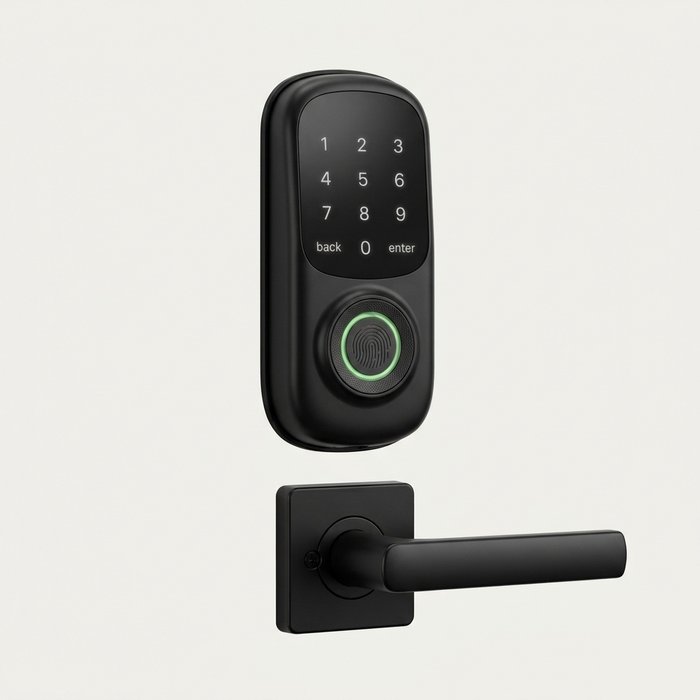
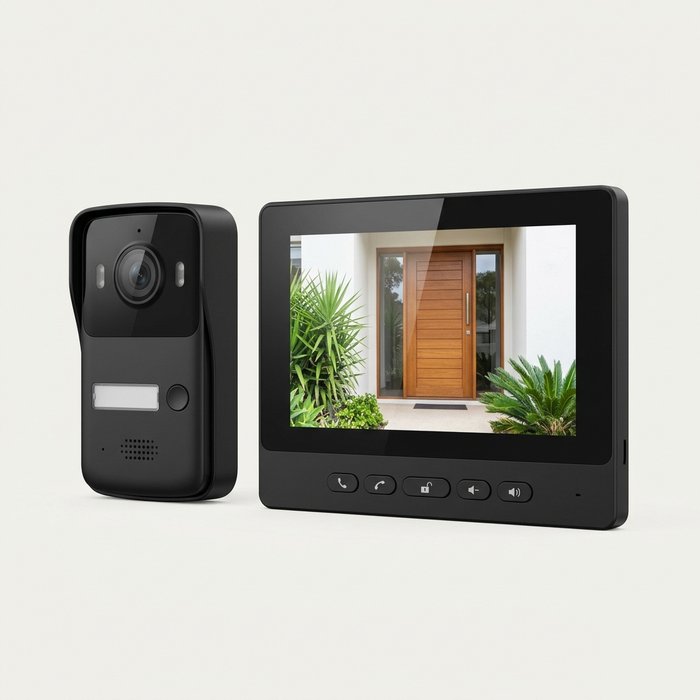
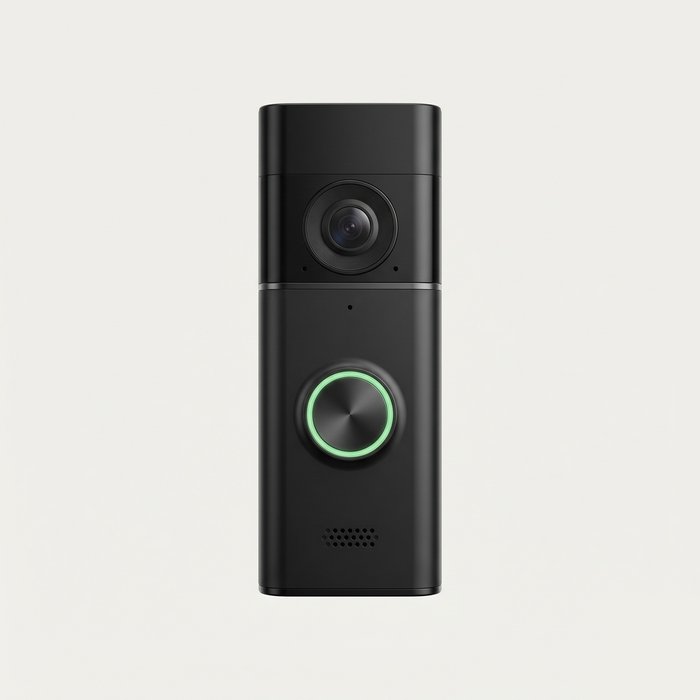
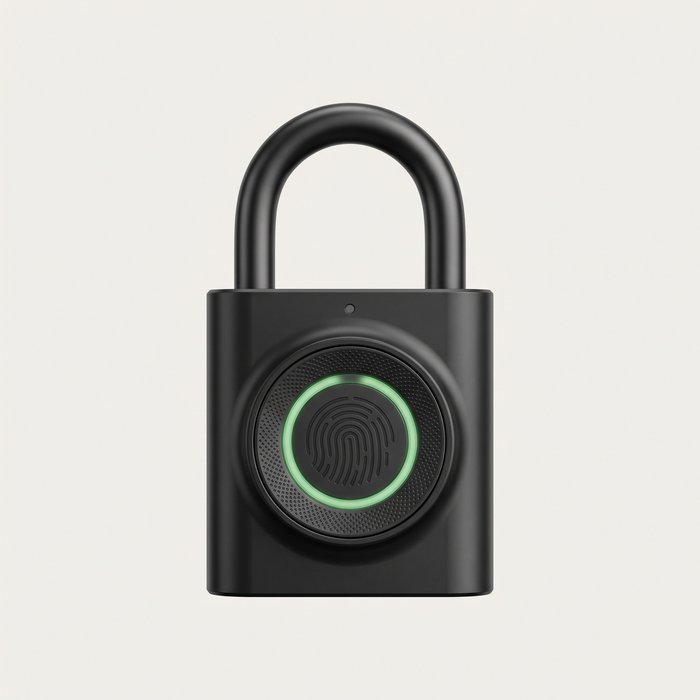
The digital lock is an electronic lock that opens by fingerprint, PIN, card, app or a physical backup key. The connected versions use Wi-Fi or Bluetooth to grant remote access and log who came in and at what time. Walking alongside it are the video door phone and the smart doorbell with a camera, which show and record whoever arrives, on the indoor monitor or straight on the phone. Together they form the heart of entrance security in the smart home.
It is not inaccessible technology, and that is exactly why it moves: it solves a real security pain, it delights in the demonstration and it opens up the tied sale of installation, maintenance and the next connected device.
Models and variations
"Smart lock" is not one single product. In the security aisles of the Chinese trade fairs it is a whole family, and each line opens up a different shelf and a different customer in your business:
Why this is an opportunity for Brazil
Brazil has a growing concern with security, a property market that values the connected home and a culture of renovating and upgrading the house. Digital locks and video door phones are items with rising turnover, and the sums add up for two profiles at the same time: the shop and the installer who want a better margin, and the entrepreneur who wants to create their own smart home brand.
- Selling a system, not a piece: whoever buys the lock also takes the doorbell, the video door phone, the installation and the support, which multiplies the ticket per customer.
- Buys cheap at source, resells well: China concentrates the world's manufacturing of electronic security. The cost at source is a fraction of the shelf price, which opens up a comfortable margin for whoever imports directly.
- A rising market: the smart home is still at the beginning in Brazil, and the digital lock is one of the consumer's doorways into that universe.
- A private label platform: with your logo on the product, on the app and on the packaging, you escape the price war of the generic and build a security brand.
Before importing: models with Wi-Fi or Bluetooth require ANATEL approval, and the power supply and electrical items may require INMETRO certification; also confirm the compatibility of the lock with the Brazilian door. Stable firmware, an app in Portuguese and a reliable backup key are what separate the good brand from the headache, and this is a case in which inspecting before shipment protects your reputation from the very first batch. See also the products that require INMETRO.
Put your own brand on it
Importing locks from China is not taking the catalogue model and reselling it the same as everyone else. It is one of the easiest lines to turn into a private label (OEM), and that is where having a partner at source separates whoever sells a commodity from whoever builds a brand.
- Your brand on everything: logo on the product, on the app screen and on the packaging, colour and finish to your standard.
- The right mix: the opening methods (fingerprint, PIN, card, app), the type of door and the video door phone models your audience is looking for.
- App and support aligned: an app in Portuguese, stable firmware and the after-sales that sustains trust in your security brand.
That calls for direct negotiation with the factory and sample validation before the batch. BCVN finds the right manufacturer, closes the customisation, tests the product and the app and guarantees it arrives within the standard.
It is worth understanding how this works in practice before requesting the first sample: the guide on own brand in China: private label, OEM and ODM explains the difference between the three models and what each one changes in the minimum order and the lead time.
Where to buy digital locks and video door phones in China
Electronic security is one of China's strongest sectors, concentrated in Shenzhen, and the line appears at the big electronics fairs and at the dedicated security fair:
- CPSE (security and CCTV, Shenzhen): the largest security fair in the world, with manufacturers of locks, video door phones and doorbells side by side. It is biennial: the next one is from 28 to 31 October 2027.
- Canton Fair, Phase 1 (Electronics): the largest general electronics aisle, with many smart home manufacturers side by side.
- Hong Kong Electronics Fair: strong in connected consumer electronics, ideal for the models with an app and smart home integration.
Next edition, Canton Fair 2026 (140th): Phase 1, for electronics, takes place from 15 to 19 October 2026, at the Pazhou Complex, in Guangzhou. It is the chance to see the products working and compare manufacturers in front of you before closing the private label. CPSE, the dedicated security fair, is biennial and the next edition is from 28 to 31 October 2027.
It is also worth looking at the Wi-Fi and solar security camera, which completes the security line for the same clientele.
The digital lock and the video door phone are not a bold bet. This is one of the security lines with the best turnover and the highest repeat-purchase potential, and the one that most rewards whoever buys directly and builds a brand. For the importer, the question is not whether the product sells, it is buying from the right manufacturer, within the standard, and turning a generic shelf into a brand the customer asks for by name.
Frequently asked questions about importing digital locks and video door phones
What is a digital lock and how does it work?
It is an electronic lock that opens by fingerprint, PIN, card, app or a physical backup key, without depending on the traditional key alone. The connected versions use Wi-Fi or Bluetooth to grant remote access and log who came in and at what time. It is the foundation of the smart home and a security upgrade with strong resale appeal, alongside the video door phone and the doorbell with a camera.
Do digital locks and video door phones imported from China need ANATEL and INMETRO?
Yes, where applicable. Models with Wi-Fi or Bluetooth require ANATEL approval, and the power supply and electrical items may require INMETRO certification. It is also necessary to confirm the voltage and the compatibility of the lock with the Brazilian door. BCVN validates the manufacturer that supplies the correct documentation and the version suited to Brazil.
Can I import just one unit of a digital lock to test it?
No. BCVN is an import consultancy for retailers and companies, and the product has a factory MOQ (minimum order quantity); freight is only diluted in a closed batch. A single loose unit does not add up as an import. Anyone who wants one piece should buy from a reseller in Brazil; anyone who wants to resell, install or stock their own shop at volume is a BCVN client.
Where to find suppliers of digital locks and video door phones in China?
At the Canton Fair, Phase 1 (electronics), from 15 to 19 October 2026, and at the Hong Kong Electronics Fair, from 13 to 16 October. CPSE, in Shenzhen, is the dedicated security fair, but it is biennial and only returns from 28 to 31 October 2027. It is at these fairs that you find the manufacturers of locks, video door phones and smart doorbells ready for private label. BCVN validates the manufacturer, the approval, the app and the after-sales.